It is 6:12 p.m., backpacks land on the floor, someone is already asking for a snack, and a younger sibling is melting down because the blue cup is “wrong.” This is the real family mealtime scene, not a curated photo. What parents want is simple and oddly hard at the same time: food that feels fun, supports solid nutrition, and does not require a second shift in the kitchen. Little Spoon leans into that exact moment with warm guidance and kid minded meals that keep healthy eating realistic on busy weekdays. Think colorful plates, predictable prep, and just enough novelty to keep children curious (without turning dinner into a negotiating marathon). And yes, it can still feel playful… even when the dog is begging under the table !?




Little Spoon guidance for family mealtime that feels fun and nutritious
Little Spoon shows up like a practical friend who texts, “Feed them something solid, keep it simple, you’ve got this.” The brand focuses on supporting parents with meals built for babies, toddlers, and bigger kids, while keeping the vibe light. That matters because children do not only eat calories, they watch patterns: what shows up on the plate, how adults talk about food, and whether mealtime feels tense or welcoming.
A helpful way to picture it is a typical Tuesday: one child wants plain pasta, another wants “crunchy,” and a parent wants one dinner that does not create three separate pans. Little Spoon’s pre made options reduce the decision fatigue while still keeping ingredients and portions designed for kids. The goal is not perfection. It is consistency, plus small playful choices that help kids engage.
Parents often worry that convenience equals compromise. Little Spoon pushes back on that assumption by building meals around recognizable ingredients, with a kid friendly balance of protein, complex carbs, and healthy fats. A chicken based bowl with sweet potato and veggies is a familiar example, and it can support steady energy for playground time, after school practice, and the bedtime routine that starts earlier than anyone admits.
There is also a social piece that parents feel in their bones: when children eat better, the whole household runs smoother. Fewer late night hunger requests. Less crankiness during homework. A calmer table. That is why Little Spoon’s guidance often lands as emotional support as much as food support, with ideas that help parents stay steady when picky eating shows up loudly.
One simple “parenting win” is using a tiny choice script. Offer two options that both work for healthy eating, then step back. “Do you want the broccoli trees on the left or the right?” Kids feel power, adults keep the plan. It sounds silly, yet it works because children can act on it right away.
Babyblends: a fresh take on baby food
Babyblends come in 5 stages, gradually increasing in complexity of texture + ingredients for an intuitive starting solids journey.
Food education at the table with Little Spoon style routines
Food education does not need flashcards or a lecture. It can look like a child poking a carrot coin, sniffing it, then deciding to try one bite because a parent called it “sweet crunch.” Little Spoon fits into that learning by making it easier to offer variety more often, which is what builds familiarity over time.
A smart routine is the “tiny taste plus safe food” approach. Put one dependable item on the plate, plus a small new taste, plus something colorful. This reduces pressure, and it keeps children from feeling trapped. Some nights the new bite gets ignored. Other nights a kid surprises everyone and asks for seconds.
Try a simple at home game that pairs well with prepared meals: the two minute “color hunt.” Ask children to point to something green, orange, or purple on the plate, then name what it helps them do. Green peas can mean “helps you run fast.” Orange sweet potato can mean “helps your eyes.” Keep it playful, not perfect.
Early Finger Foods
Little Spoon also helps families who juggle dietary needs. Options can be chosen around common restrictions like dairy free or gluten free, and that matters when one child’s needs can derail the whole plan. Still, ingredient labels must stay part of the routine, especially for allergies, because every household has its own risk map.
One limitation worth saying out loud: a short two week trial cannot cover every menu item or every kid reaction, because children change preferences fast. Another honest note, some families find the cost higher than basic grocery staples, so planning it for the busiest nights can feel more sustainable.
The next piece is where the real magic sits, taking this convenience and using it to spark creativity at the table, without adding chaos.
For a quick visual walkthrough that parents can watch while packing lunch, this search brings up practical Little Spoon content:
Toddler + Kids Meals
Flavors kids crave, ingredients parents want. Picky-eater approved.
Hidden veggies + superfoods in every bite.
Balanced nutrition, no junk.
Healthy eating made simple with Little Spoon meals for children
Parents do not need another complicated system. They need something that works when the calendar is packed and the fridge looks random. Little Spoon’s core promise is simple: deliver kid appropriate meals that reduce prep while keeping nutrition in focus. That helps families keep momentum on nights when cooking feels impossible.
In real life, “simple” means the meal goes from fridge to table fast, with minimal steps and predictable results. Many Little Spoon options only need heating or thawing, which can fit into the small window between after school pickup and the next activity. That timing matters, because hungry children do not negotiate politely.
Nutrition wise, balanced kids meals usually include protein, fiber rich carbs, and fats that help with fullness. Parents can use Little Spoon as a baseline and then customize with small add ons already at home. A spoon of plain yogurt for extra creaminess. A sprinkle of hemp hearts. A side of berries that look jewel bright in a small bowl.
There is also a practical parenting trick: reuse the same “comfort format” while changing flavors. If children like a bowl, keep the bowl. If they like finger foods, keep the finger foods. The goal is to lower the fear of the unknown while still expanding variety, because repeated low pressure exposure is what supports broader eating.
For families who want structure, Little Spoon’s subscription style ordering can reduce the weekly mental load. A parent answers preference questions, picks meals, and then stops re thinking dinner every day. That mental space often flows into better moods at the table, which helps children eat more calmly.
One more honest constraint: not every child likes every texture, especially during toddler phases. Some kids reject anything mixed, even when the ingredients are foods they like separately. Keeping a “deconstructed plate” option on hand can save the night.
Build-It-Yourself Lunchers
High-quality non-GMO ingredients
Kids classics with hidden nutrition
10g+ of protein in every meal
Practical prep rhythms for busy parenting days
When a routine feels repeatable, families stick with it. A helpful rhythm is a five minute setup: wash hands, set out plates, warm the meal, add one crunchy side. Then sit. That last step counts, because children track adult attention as closely as they track dessert.
Some parents keep a “backup dinner” rule. Little Spoon can fill that role, especially on nights with tantrums, late meetings, or sick days. It is not a failure meal. It is a planning meal, like keeping extra wipes in the car.
To keep fun on the menu without turning the kitchen into a craft station, try small presentation switches. Use muffin cups on a plate to separate foods. Cut toast into stars. Put peas in a tiny ramekin and call it “green marbles.” Kids respond to novelty they can see and touch.
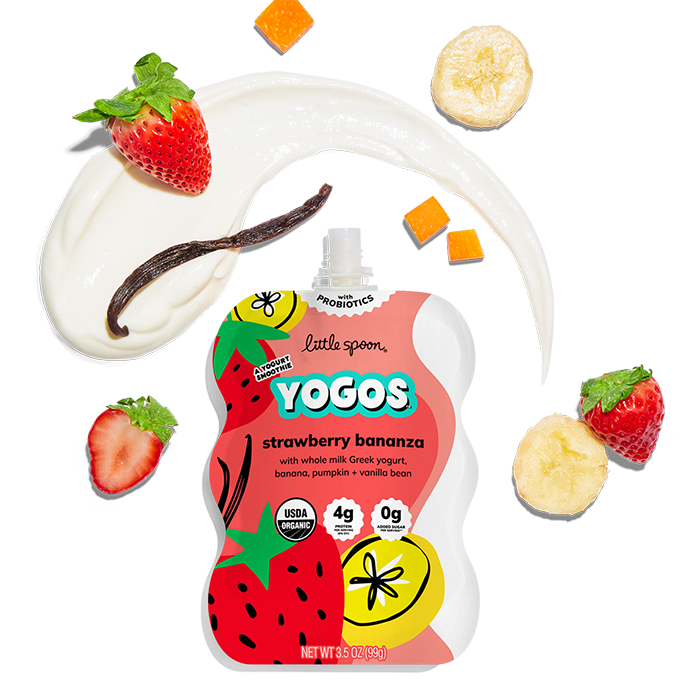
Organic Smoothies + YoGos
Parents also ask about performance, not just vibes. A simple at home check can help: track one week of dinners and note bedtime hunger requests, mood at homework time, and morning energy. It is not a lab test, but patterns show up quickly. When dinners include protein plus fiber, many kids snack less at 8:45 p.m. (and parents can finally sit down).
For families who like numbers, one parent friendly way to compare options is to read nutrition labels with a consistent lens: protein grams, fiber grams, added sugar, sodium, and ingredient clarity. Little Spoon tends to make that review easier by giving detailed ingredient info, but parents still need to match it to their own child’s needs.
A second video search that often surfaces serving ideas and real kid reactions, helpful for setting expectations, looks like this:
Junk-free Snacktime
Hidden veggies + superfoods
Low + no added sugar recipes
Zero artificial flavors
Fun family mealtime ideas that pair with Little Spoon food education
Even with great food, the table energy matters. Children often eat better when the room feels safe, predictable, and a little silly. Little Spoon supports that by taking the heavy lifting off the stove, leaving parents more bandwidth for connection, conversation, and a tiny bit of laughter.
One engaging idea is “bite sized storytelling.” Ask a child to name the food on their fork, then make up a one sentence story about it. “This spoon of sweet potato is going to soccer practice.” Short. Concrete. Kids giggle. And they take the bite.
Another strategy is the calm plate rule: no commenting on quantity. Parents can describe food without pressure. “That chicken smells garlicky.” “Those carrots look shiny.” This style keeps food education active while reducing power struggles, which can drain everyone fast.
Organic Rice-Free Puffs
Little Spoon also fits well with weekend “kitchen curiosity” sessions. A parent can serve a Little Spoon meal for lunch, then invite children to handle the raw versions of ingredients later. Let them hold an avocado, tap a sweet potato, smell basil. The sensory link makes future bites feel less foreign.
There is a sweet spot between structure and play. Families can keep the same dinner time and still rotate the mealtime activity. One night is “color hunt.” Another night is “two truth bites,” where a child says two true things about the food, like “it is warm” and “it is soft.” Keep it low stakes.
A small reminder that helps many households: a child can learn to like a food after many exposures. Not three. Sometimes more. That patience is hard after a long day, but it is easier to practice when dinner does not require an hour of prep.
Little Spoon’s role feels clearest here: it offers guidance plus convenient meals so parents can focus on the human side of feeding children. That human side is where habits form, where kids feel safe to explore, and where a simple spoon can start a better evening.