Some days start with cold car seats, misty sidewalks, and a child asking for a sweater before breakfast. A few hours later, the playground feels sunny, cheeks are pink from running, and that same sweater suddenly looks like too much. That swing between morning warmth needs and evening chill concerns is exactly why getting dressed can feel oddly complicated for families. The goal is not a perfect outfit frozen in place. The goal is comfort, quick adjustment, and calm decisions when the forecast keeps shifting. 🌤️
Young children feel temperature changes more strongly than many adults expect. Babies lose body heat faster, toddlers rarely stop moving, and school age kids may ignore early signs that they are too warm or too cold because they are busy playing. That is why smart seasonal dressing leans on easy layers, soft textures, simple fasteners, and fabrics that let the body breathe. A cozy day does not need bulky choices. It needs practical children’s clothing with real weather adaptability… the kind that works at daycare drop off, snack time, stroller walks, and the trip home when the air cools again.
How to dress your little one for changing temperatures between morning and evening with smart layering
The reason this daily clothing puzzle shows up so often is simple. Early hours can feel cool because the ground held less heat overnight, while late afternoon may feel much warmer once the sun has been out for hours. Then, after sunset, the air can dip again and bring back that familiar evening chill. Parents often see all three phases in one ordinary day, especially in spring and fall. One child leaves home bundled, runs hot by noon, then asks for a jacket at pickup. Sound familiar?
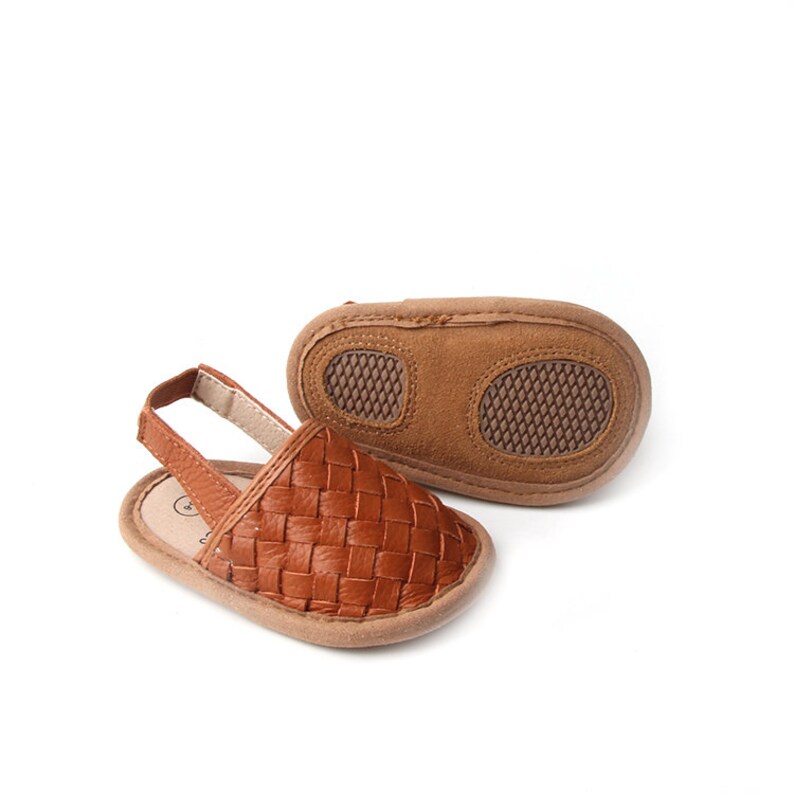
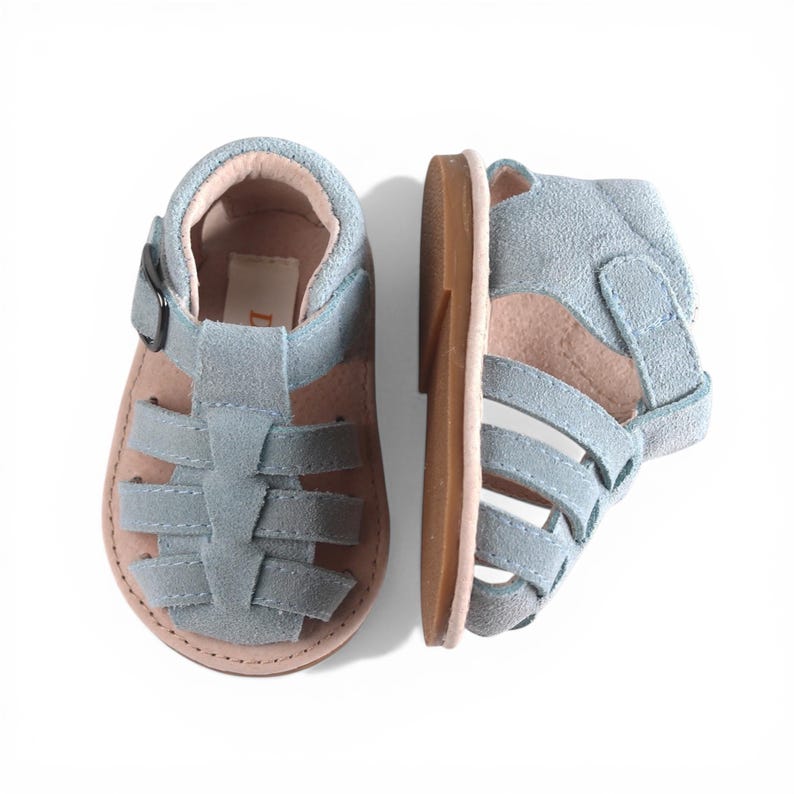
Woven Leather Baby Sandals | Soft Sole Sandals for Baby and Toddler | Summer Infant Shoes | Baby Girl & Boy Shoes | Baby Shower Gift
For little ones, clothing needs to respond to that pattern without causing stress. Babies and young children do not regulate body temperature with the same ease as adults, so overdressing can lead to sweating and irritability, while underdressing can leave them uncomfortable and low on energy. Cold hands alone do not tell the whole story. The chest, upper back, and overall mood give a better read. If the neck feels sweaty, it is time to remove a layer. If the core feels cool and the child seems sluggish, adding one makes sense.
Layering is the simplest fix because it allows small changes instead of one big clothing decision at 7 a.m. A breathable first layer sits close to the skin and helps regulate warmth. A second light piece adds softness and insulation. An outer option handles wind or the cooler edges of the day. This system works for babies in strollers, toddlers at the park, and bigger kids heading to school. It also keeps movement easy, which matters a lot when a child wants to climb, jump, crawl, or nap in the same outfit.
A helpful mental picture is this: the first layer should feel light and soft, the middle layer should feel easy to peel off, and the outer piece should block a breeze without trapping too much heat. Cotton, bamboo, and merino are popular for a reason. These breathable fabrics help with airflow and feel gentle on sensitive skin. Heavy synthetics can hold too much heat, especially during active play or indoor time after an outdoor walk.
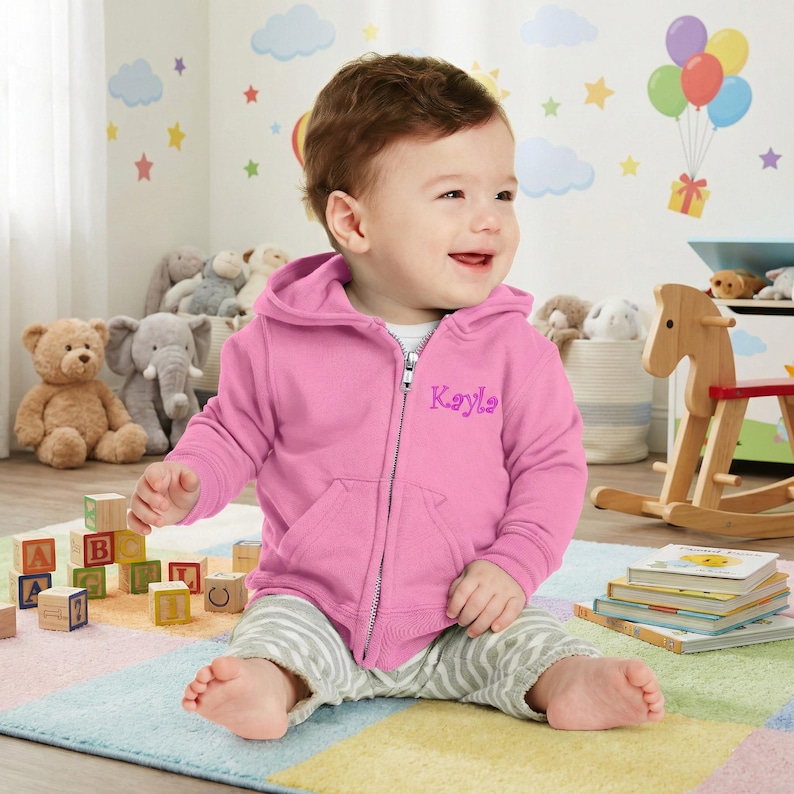
Personalized Infant Baby Hoodie, Sweatshirt with Hood, Baby Jacket, Zipper Embroidered Monogrammed Name, Baby Shower Gift, New Mom Gift
One parent trick that works beautifully is dressing a toddler in a short sleeve bodysuit, stretchy joggers, a thin cardigan, and one of those easy grab light jackets. If the playground heats up, the jacket comes off. If a cloud rolls in after lunch, it goes back on. No drama. That flexibility is the real win. 👕
Choosing each layer for comfort and weather adaptability
The best first layer is usually simple and close fitting. For babies, a soft bodysuit in cotton or bamboo works well. For toddlers and young children, a thin tee, tank, or lightweight long sleeve can do the job depending on the forecast. This layer should not feel stiff, scratchy, or overly tight. If a child already dislikes the feel of a shirt at breakfast, the rest of the outfit will probably feel worse later in the day. Softness matters.
The second layer should add warmth without making removal a wrestling match. Cardigans, zip hoodies, light pullovers, and fine knit sweaters are practical because they come off fast during active play. A cardigan is especially handy for calmer moments like stroller naps, reading time, or a breezy restaurant patio. For daycare and school, zippers usually make life easier than tiny buttons. Parents do not need extra friction during a rushed morning.
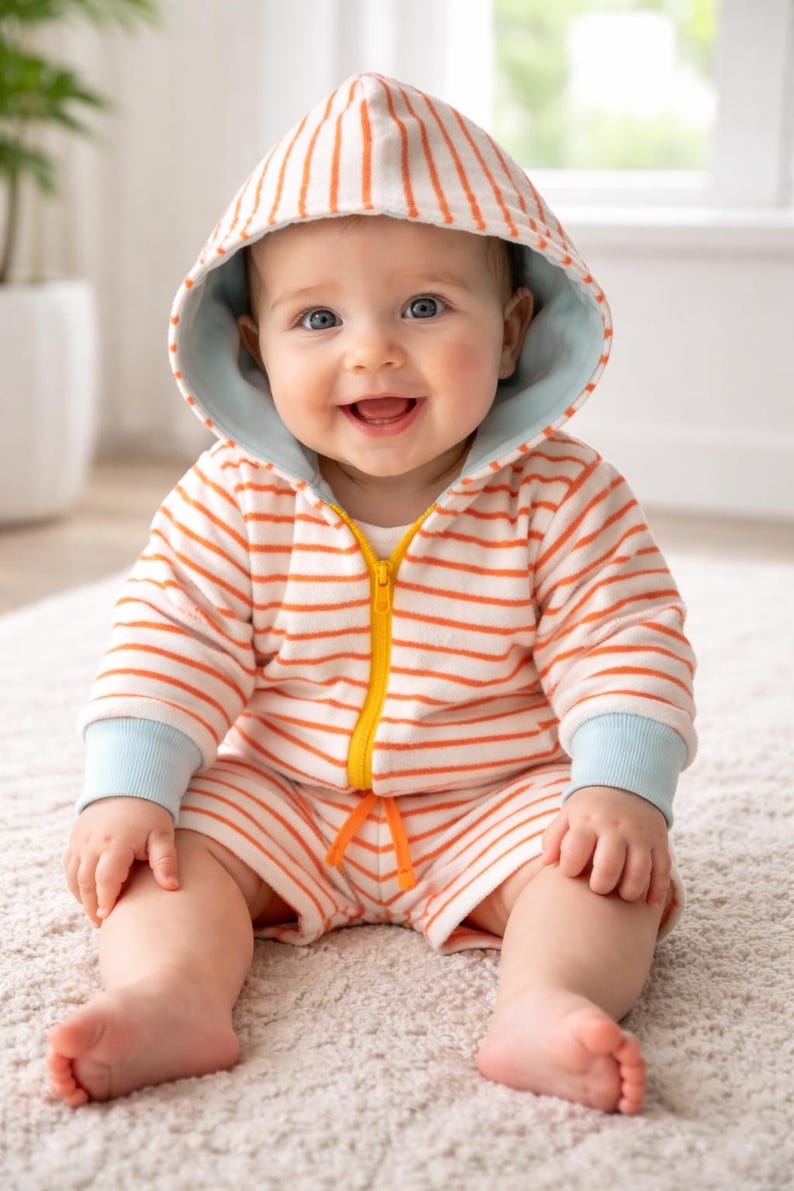
Striped hooded jacket, short, stretch sponge terry cloth, size 1 year, lined jacket, gender-neutral baby clothes
The third layer protects against wind and the cooler start or finish of the day. Think windbreaker, thin quilted coat, or one of those easy foldable outer layers that fit in a backpack. This is where light jackets really shine. They are useful on days when the child needs coverage at 8 a.m. but not at 1 p.m. Waterproof options help if the forecast looks mixed, though the fabric should still allow some airflow. A coat that traps too much heat can feel miserable after ten minutes of running.
Bottoms deserve the same attention. Leggings, joggers, soft pants, or lightweight trousers are easier to manage than heavy denim on variable days. For little girls, a dress with leggings can work nicely because the leggings can come off later if the afternoon turns warm. For babies, footed sleepers are cozy in cooler air, but once the day warms, separate pants and socks often offer better control.
Accessories help more than many parents think. A beanie for a chilly stroller ride, light gloves on a crisp morning, and fresh socks in the bag can make a huge difference. The key is moderation. Indoors, especially during sleep, too many accessories can trap heat. Outdoors, they are useful shields for little fingers, ears, and toes. A well packed extra pair of socks has rescued many family outings… and yes, many muddy playground exits too. 🧦
That same practical mindset should carry into the day itself, because clothes only work well when they match what the child is about to do.
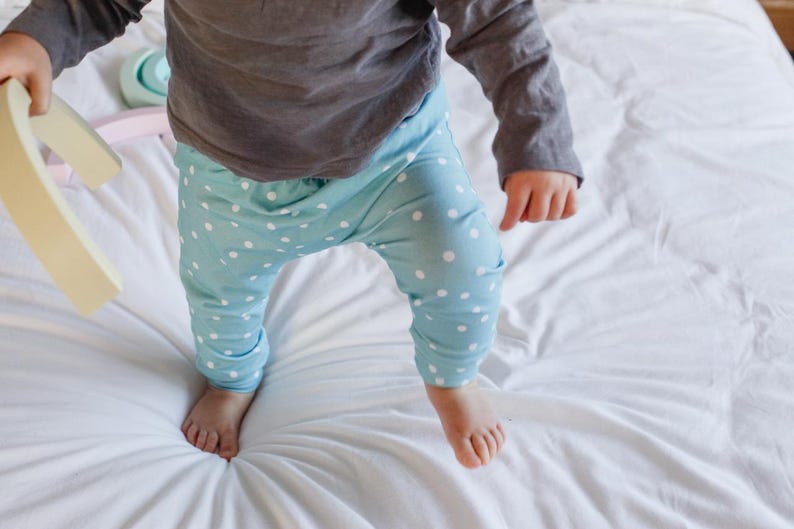
Aqua Polka Dot Baby Leggings: Handmade Unisex Cotton Jersey
Seasonal dressing for playtime, daycare, and quiet moments
Not every part of the day creates the same amount of body heat. A child sitting in a stroller, reading at preschool, or resting after lunch needs a different outfit balance than one racing across a playground. This is where seasonal dressing gets more thoughtful. Parents are not just dressing for the thermometer. They are dressing for motion, rest, indoor heating, shade, sunshine, and the usual chaos of childhood. ⚽
An active toddler can warm up fast. That is why a cool morning outfit for park time should avoid thick, non breathable layers. A base layer in cotton, flexible pants, and a removable top usually covers the need better than one big heavy sweatshirt. Once children start climbing and running, trapped heat builds quickly. Red cheeks, damp hair, and fussiness often show up before a child can explain what feels wrong. It helps to check after the first burst of activity rather than waiting until the outfit clearly looks excessive.
Genuine Leather Baby Sandals: Blue Suede or White - Hard Rubber Soles
Quiet parts of the day need a different approach. Babies in carriers or strollers may need one extra layer because they are not generating as much heat through movement. A calm preschool classroom can also feel cooler than an outdoor game, especially with air conditioning. In those situations, a thin cardigan or soft sweatshirt adds comfort without making the child sweaty when it is time to head back outside. This is why removable pieces matter so much. Fixed outfits rarely keep up with real life.
Parents often ask what works best for daycare. The easiest answer is clothing that a caregiver can adjust in seconds. A breathable top, simple bottoms, and one removable middle layer usually outperform fussy fashion pieces. Pack one complete backup outfit too: top, bottoms, underwear or bodysuit, and socks. Spills happen. Water play happens. Mystery messes happen ! A spare set means the child stays comfortable when the day takes an unexpected turn.
Footwear matters here as well. On mixed weather days, sneakers with airflow are often more useful than overly warm shoes. For very little ones riding in a stroller, soft socks and flexible shoes can be enough early in the day, with removal as temperatures rise. On damp mornings, waterproof shoes help, but they should not feel like tiny saunas by lunchtime. The best pair supports play and still makes sense later when the air softens.
A small daily routine helps. Before leaving home, think through three moments: the first hour outside, the most active part of the day, and the ride home. That quick check leads to better clothing choices than focusing on the morning forecast alone. And if a child says a sleeve feels itchy or a hoodie is too hot, that feedback counts. Children may not describe thermal comfort in perfect words, but they show it clearly.
Reading your child and adjusting fast without overthinking
The most useful skill is observation. Clothing guides help, but children vary. One preschooler runs warm after five minutes outside. Another stays cool and asks for socks the second the breeze picks up. Instead of sticking to one rigid outfit plan, it is better to watch for signals. A warm chest, dry neck, good mood, and steady energy usually mean things are on track. Sweating, glassy frustration, or constant tugging at clothes mean it is time to change something.
This flexible approach feels especially reassuring for babies. Tiny hands and feet often feel cooler, which can worry new parents, but the core tells the real story. The chest or back should feel warm, not hot or damp. If a nursery sits around the low 70s Fahrenheit, breathable sleepwear and a wearable layer usually make more sense than piling on extras. Overheating during sleep deserves real caution, so indoor hats and heavy blankets are usually not the answer.
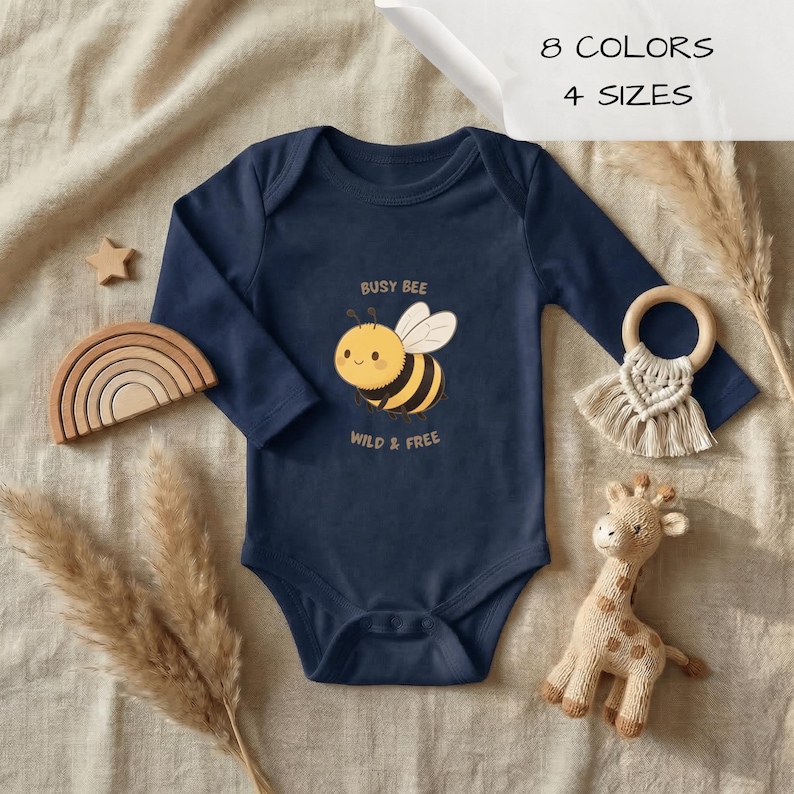
Busy Bee Long Sleeve Baby Bodysuit | Baby Children Clothing | Newborn to 18 months | 046
During outings, a compact bag saves the day more often than any perfectly planned outfit. Tuck in spare socks, a thin long sleeve top, one extra bodysuit for babies, and a foldable outer layer. If the weather app misses a sudden breeze or surprise cloud cover, those few pieces can fix the problem quickly. Choose items that slip on and off without tears, wriggling battles, or ten tiny buttons. Parents need speed, not ceremony.
There is also a gentle emotional side to this routine. When children feel physically right, the whole day flows better. Fewer meltdowns. Better naps. Less crankiness in the stroller on the way home. That is why How to dress your little one for changing temperatures between morning and evening is really about more than clothes. It is about making space for play, rest, and easier transitions. Or, as many parents put it, a little “parenting win” that keeps everyone saner by dinner time.
On days with bigger swings, add a margin of safety. Bring one more layer than seems necessary, seek shade during strong afternoon heat, and limit long exposure when the air feels sharply cold. Small adjustments done early work better than waiting until a child is flushed, shivering, or exhausted. A calm check, a removed cardigan, a fresh pair of socks, a zipped jacket for the ride home: those tiny moves keep comfort steady through the whole day.