One minute the baby is happily batting at a crinkly cloth book, and the next minute every toy, sleeve, and grownup finger is headed straight for that tiny mouth. For many parents, that sudden shift raises the same question during snack time, bedtime, or a very dramatic stroller walk: is this teething, or is something else going on?
Teething is the normal stage when a baby tooth starts pushing through the gum. It often begins around 4 to 7 months, although some little ones start earlier and others wait longer. The timing can feel random, especially when a baby has a calm morning, a fussy afternoon, and a surprisingly cheerful dinner. The good news: common signs are usually easy to spot once parents know what to watch for. The tricky part is that teething can overlap with ordinary baby moods, growth spurts, and minor bugs, so a warm, steady approach helps everyone breathe a little easier.
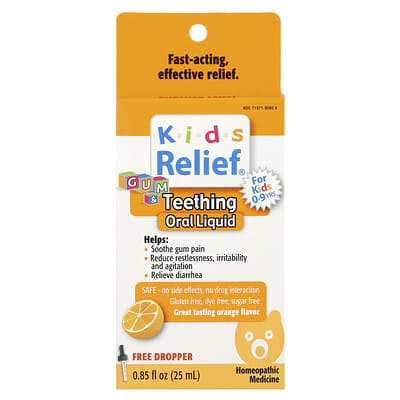
Teething signs: how drooling, chewing, and swollen gums usually show up
The first clues often happen right in front of parents, on bibs, onesies, and those sweet little cheeks. Drooling may increase because the mouth is busy and sensitive while a tooth presses under the surface. A baby who used to need one bib may suddenly soak through several, and the chin can look pink or irritated after a long day of wet skin.
That extra saliva can surprise first time parents. It may drip during tummy time, pool on the play mat, or leave a shiny trail down the front of a pajama top. Keeping the chin gently dry with a soft cloth can help protect the skin, especially before naps when moisture sits there for a while.
Why chewing can feel soothing for a teething baby
Chewing is another very common sign, and it often looks intense. A baby may gnaw on fingers, teething rings, crib rails, board books, or the corner of a burp cloth with real determination. Pressure on the gums can feel comforting, which explains why some babies seem happiest with something safe and firm in their mouth.
A chilled teething ring, not frozen solid, can be useful because cool texture may calm sore spots. A clean, cool washcloth can also work beautifully for babies who reject every carefully chosen teether but accept laundry like it came from a fancy baby boutique. Tiny preferences matter.
What swollen_gums can look like at home
Parents may also notice swollen_gums, redness, or a small pale line where a tooth is getting close. The gum can look puffy, tight, or shiny, and the baby may pull away when a spoon or bottle nipple touches that area. Sometimes the lower front teeth appear first, but every child follows their own rhythm.
A clean finger can gently rub the gum for a short moment if the baby accepts it. If the gum looks very inflamed, bleeds, has white patches, or the baby refuses fluids, that deserves a call to a pediatrician or pediatric dentist. Teething can be uncomfortable, but it should not make a baby seem seriously unwell.
Once parents notice the mouth focused clues, the next question usually comes at night, right around the third wake up, when everyone in the house starts whispering and negotiating with the crib.
Baby teething symptoms that affect mood, feeding, and sleep
The emotional side of teething can feel bigger than the gum changes. Irritability may appear because the gum feels tender, especially when a tooth is close to breaking through. A baby who usually smiles through diaper changes may cry when laid down, fuss during cuddles, or complain in short bursts that sound like, “Something is bothering me, please decode it.”
This kind of fussiness often comes and goes. One Los Angeles parent described a six month old who cried every time the bottle touched the lower gum, then laughed at the family dog five minutes later. That uneven pattern can feel confusing, but it is very typical of mild mouth discomfort.
Why sleep disturbance can happen during teething
Sleep_disturbance is one of the signs parents notice fastest because tired adults miss nothing at 2:17 a.m. A baby may wake more often, need extra rocking, or resist being placed back in the crib. Lying flat may make the sore gum more noticeable, and quiet nighttime rooms leave fewer distractions than a busy daytime floor full of rattles and bright blocks.
A calm bedtime routine can help: dim lights, soft pajamas, a clean teether before sleep, and steady comfort. This is not the week to redesign the entire sleep plan if the baby seems sore. Small, predictable steps often feel safer to a baby than big changes.
Feeding changes and tender gums
Some babies feed less eagerly during teething because sucking, spoon pressure, or warm food can bother the gums. A breastfed baby may latch, pull off, fuss, and try again. A baby eating solids may reject a favorite puree, then happily chew on a cold washcloth ten minutes later.
Parents can offer patience, slower pacing, and extra cuddles. For babies already eating solids, cool soft foods may feel nice, as long as they match the child’s age and feeding skills. Formula or breast milk still matters most for younger babies, so fewer wet diapers, ongoing refusal to drink, or unusual sleepiness should be checked promptly.
Here is the comforting bit: teething discomfort usually comes in waves. It can make a baby cranky, clingy, and snack time chaotic, but it should still leave room for alert moments, eye contact, and normal daily connection.
Mood and sleep clues tell part of the story, but parents also need to know where teething ends and illness may begin. That line matters, especially when a baby seems hotter, quieter, or much more upset than usual.
Teething signs versus illness: what parents should watch closely
Teething can cause mild discomfort, tender gums, extra saliva, more biting, and short fussy spells. It should not cause a high fever, repeated vomiting, persistent diarrhea, or a baby who seems limp, hard to wake, or uninterested in drinking. When parents compare ordinary symptoms with illness clues, the whole picture matters more than one sign alone.
A mild temperature can happen when a baby is upset or fighting another minor issue at the same time, but a true fever of 100.4°F, or 38°C, deserves medical attention in many baby care situations, especially for very young infants. Teething often gets blamed for everything because it arrives during a busy developmental season. Babies also catch colds, change feeding patterns, and go through big leaps during these months.
Cheek rubbing, ear pulling, and the “is it teeth?” moment
Some babies rub their cheeks or pull at their ears when teeth are moving under the gums. The nerves in the mouth and face sit close together, so discomfort may show up as face touching. A baby might tug one ear during a stroller ride, chew a toy fiercely, then rub the same cheek against a caregiver’s shoulder.
Still, ear pulling can also happen with curiosity, tiredness, or an ear infection. If the baby has fever, fluid from the ear, constant crying, poor feeding, or seems worse when lying down, a pediatrician should take a look. Parents do not need to solve every clue alone at midnight with a phone flashlight.
Simple comfort habits that support a sore mouth
Gentle care can make the teething stage feel less overwhelming. Wipe drool often with a soft cloth, keep bibs dry, offer safe chew toys, and massage gums with clean hands when the baby allows it. Avoid teething jewelry, unknown gel filled toys, honey for infants, and very hard frozen objects that can hurt delicate gums.
Once the first tooth appears, cleaning can start with a baby toothbrush and water. That tiny tooth may look adorable, almost comically small, but it still needs care. A first dental visit is often recommended by the first birthday or within several months after the first tooth appears, so parents can ask practical questions without waiting for a problem.
The parent mantra for this stage could be “watch, comfort, and trust the pattern.” If the baby is mostly alert, drinking, cuddling, and having wet diapers, gentle soothing may be enough. If something feels off, asking for help is not overreacting, it is attentive parenting, and that counts on the hardest teething days too.