Picture a regular Wednesday afternoon: snack time crumbs on the floor, a child asking for something “new”, and a parent scanning the room for an idea that does not require a full craft store run. That is where play kits quietly shine ✨. They bundle toys, materials, and prompts into one ready-to-open set that invites creative play without the prep fatigue. For many children, it feels like opening a tiny world built just for them, with pieces that nudge imagination, exploration, and calm focus. For adults, it often means fewer screens, smoother transitions, and fun activities that still support learning. And in classrooms or group settings, these kits can keep the energy playful while staying educational and interactive, even when attention spans wobble !?
What Play Kits Are and Why They Make Creative Play So Easy
A play kit is a curated box or set designed around a theme, a skill, or a developmental stage. Instead of hunting for matching pieces, everything arrives together: a few focused toys, consumable materials, and simple instructions that invite interactive use. Many sets also include story cards or challenge prompts, which matter more than they sound, because the prompt often solves the hardest part of play: getting started.
Think of a “build a town” kit with wooden pieces, road stickers, and little people. A child can line up roads, stack blocks, then narrate what is happening at the grocery store corner. That is creative play in motion, with hands moving, voices changing, and tiny problems popping up, like “Where does the bus stop go ?” The kit does not force one right outcome, it just offers a launchpad for imagination.
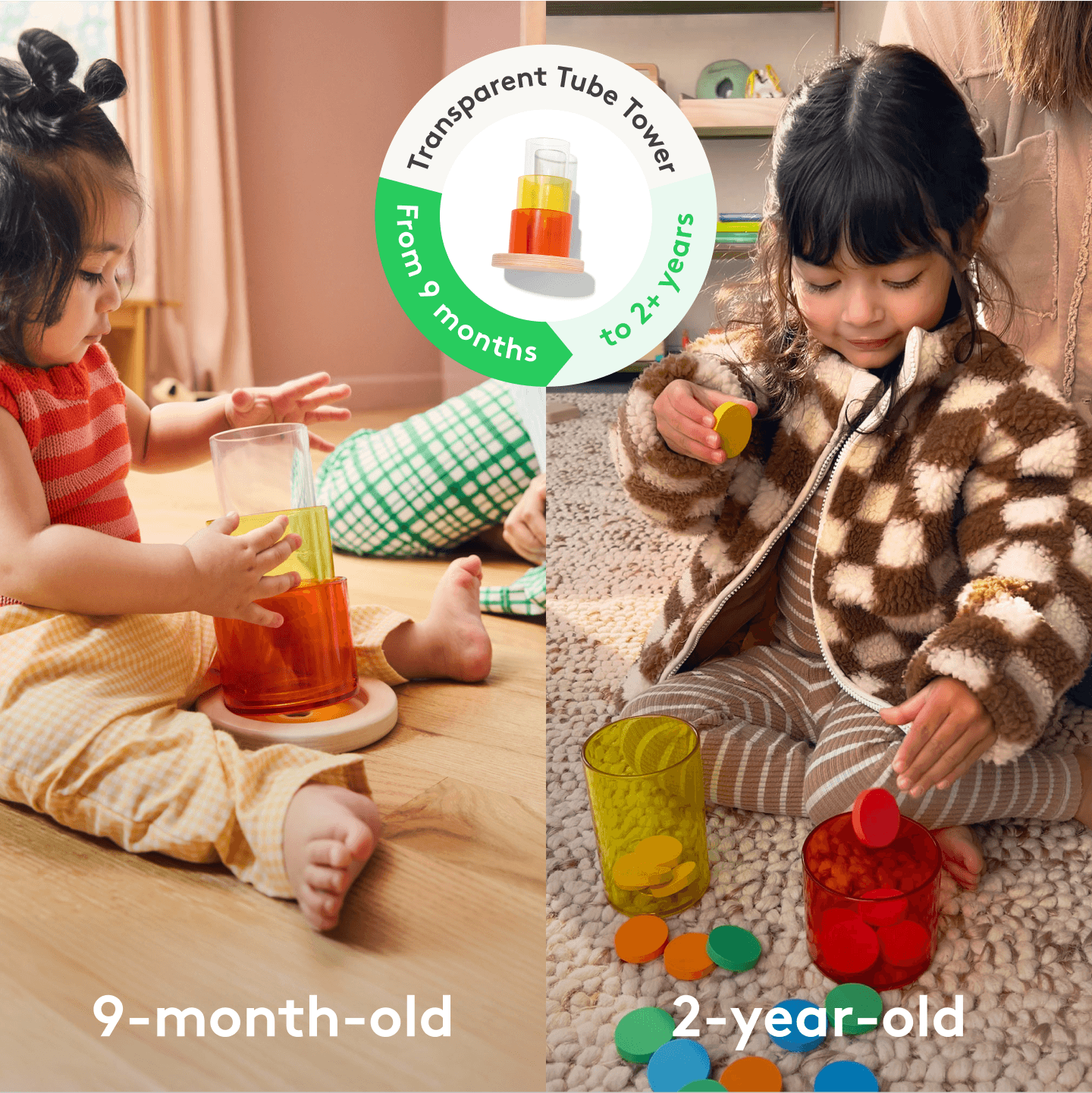
Intentional design for developing minds
The best sets keep friction low. Materials feel good in small hands, like smooth wood, squishy dough, or textured sensory items. Parents often notice the difference right away: fewer “I’m bored” loops, more “Watch this” moments, and play that lasts longer than a quick toy bounce. The kit feels like a plan, even when the living room looks like a tornado zone.

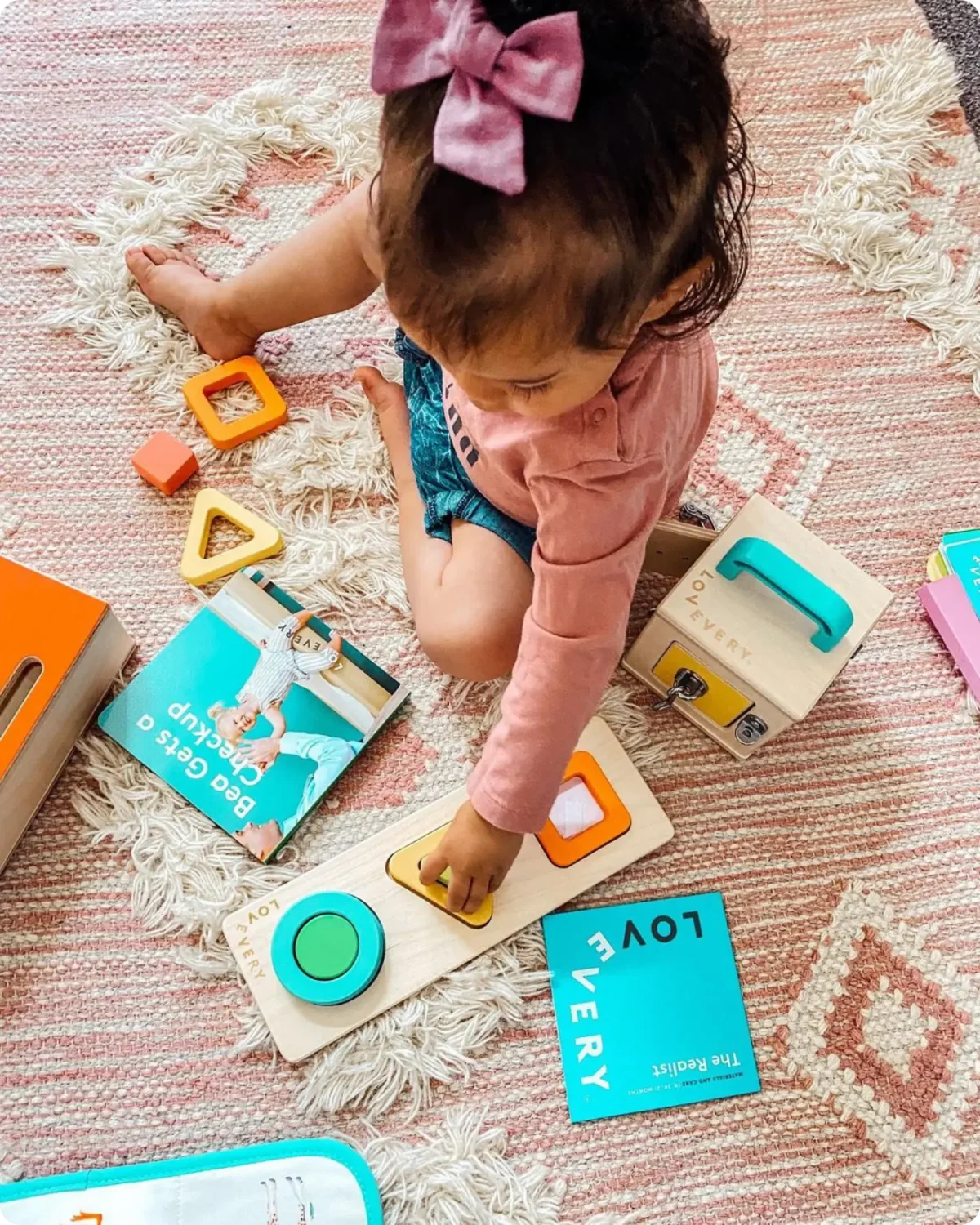

One practical example comes from a preschool group that rotated kits during rainy recess. When the teacher put out a simple sorting and matching kit, the room shifted. A few kids grouped colors, another pair invented a pretend store, and one child quietly worked alone with total focus. Same kit, different paths, because children bring their own ideas to the pieces.
Next up, it helps to look at what these kits do for skills, not in a lecture way, but in the real ways families notice at bedtime and on the playground.
Start The Play Kits today and you’ll receive $50 to spend on Lovevery books, Mini Kits, or other favorites in the exclusive Subscriber Shop.
Learning Through Play Kits: Social Skills, Curiosity, and Confidence
When a play kit clicks, learning shows up as visible behavior. A child tries, fails, tries again, then announces a small victory like it is headline news. That repeat effort matters, and it often happens because the kit offers just enough structure to keep exploration moving.
For cognitive growth, many educational kits sneak in early math, language, and problem solving. A pattern tile set invites sorting and symmetry. A story sequencing pack asks kids to place scenes in order, then narrate what happened, which supports vocabulary and memory. A simple circuit board kit with snap parts can lead to a real “It lights up !” moment, and that moment sticks because the child caused it.
Social development often appears when siblings or friends share the same materials. A construction kit might start with two kids grabbing the same piece, then negotiating. The language can be messy, but it is real: “You can have the wheel after I finish this.” One parent described it as « a tiny diplomacy summit » happening on the rug, with serious faces and sticky fingers (and yes, someone still cried).


Play kits also support emotional regulation in a surprisingly concrete way. Sensory sets with kinetic sand, soft pom poms, or water bead alternatives can give a child a steady rhythm: scoop, pour, press, repeat. That rhythm helps during big feelings after school, or right before dinner when patience runs thin. It is not magic, it is hands staying busy while the nervous system settles.
One small case study from a neighborhood co op shows how flexible kits can be. A group of six kids ages four to seven met weekly. They used the same “artist studio” kit three sessions in a row, but the outcomes varied. One child made postcards, another built a cardboard mask, and two kids teamed up to design a pretend museum ticket booth. The kit did not run out of ideas, the kids did not either.
This sets the stage for the next question parents always ask: which type fits a child’s age and interests, and how can grown ups save time without losing the joy?
Want to see real examples of kit style play in action? Watching a quick demo can spark fresh ideas for home or a classroom corner.
Types of Play Kits and How Families Use Them at Home, School, and Groups
The variety of play kits is a relief, because kids do not all lean the same way. Some want paint and glitter. Others want gears, ramps, and anything that rolls. Matching the kit to interest usually matters more than chasing a trend, because attention follows curiosity.
Art and craft kits often include washable paints, stickers, textured papers, and prompts that guide without controlling. A child might follow the card once, then ignore it the next time and make a “dragon sandwich” collage instead. That flexibility keeps imagination alive while still offering a starting point on days when creative energy feels low.
Science and STEM kits lean into exploration with safe experiments, measuring tools, and clear steps. In a kitchen setting, a simple volcano foam activity can turn into a conversation about bubbles, color mixing, and cleanup plans. Kids remember the fizz. Parents remember the tray underneath, and that is the real win.
Construction sets and logic kits often work well for mixed ages. Older kids can follow build challenges, while younger siblings stack and knock down. One family used a building kit during a long video meeting hour. The child built “offices” for toy animals, then narrated calls and coffee breaks, which kept the play interactive and surprisingly peaceful.


In school, teachers often use kits as centers. Rotations keep groups small, and the kit’s boundaries reduce supply chaos. The key is choosing sets that invite multiple solutions, so early finishers can extend play instead of wandering. A good prompt might ask, “Can the bridge hold three toy cars?” Then the testing begins, with cheering and a little dramatic groaning when it collapses.
For parents who want ongoing support, a Play Kit subscription can feel like a steady stream of fresh ideas 📦. Subscribers get early access to new Lovevery products before they sell out, plus a dedicated subscriber shop with discounts on fan favorite books, retired items, refills, and replacements for missing pieces. The time saver often shows up in weekly guidance too: development info, dozens of play ideas per kit, and easy DIY activities inside the Lovevery app, along with stage based kits every two to three months, a play guide with essential tips, a parent course library, and the option to skip or cancel anytime.
Need one more spark for the next rainy day or playdate? A quick video search for sensory bins or STEM builds can help a family pick a kit theme that feels like a “yes” right away.
Here is a second viewing idea that tends to work well for groups and siblings, especially when kids want hands on building and quick results.