The early weeks with a month-old baby can feel beautifully slow and surprisingly full at the same time. One moment is feeding, the next is a sleepy cuddle, and then suddenly there is a tiny smile that makes the whole room glow ✨. At around two months, many babies stay awake just long enough to notice faces, follow a nearby object, or answer a familiar voice with a little coo. That is why engaging playtime matters already. It is not about keeping a baby busy. It is about sharing warm, simple moments that support baby bonding, comfort, and early learning through touch, sound, and eye contact.
For many parents, the best surprise is how ordinary moments can hold the richest infant interaction. A diaper change can include soft songs. A stroller walk can include calm narration. A few minutes on a blanket can gently support developmental milestones, from lifting the head to watching a high contrast toy. Think short, calm, repeated moments rather than big activities. A two month old often enjoys a few minutes, then needs a break. That rhythm matters. Play works best when it feels safe, predictable, and lighthearted 😊.

Engaging playtime and early development for your 2-month-old baby
At this age, a baby often sees best at about 8 to 12 inches, which means a caregiver’s face is the star of the show. A soft smile, raised eyebrows, slow mouth movements, and a gentle voice all support baby communication. These little exchanges help a child notice patterns, recognize familiar people, and settle into a feeling of safety. It may look simple from the outside, yet this is the heart of a strong parent-infant connection.
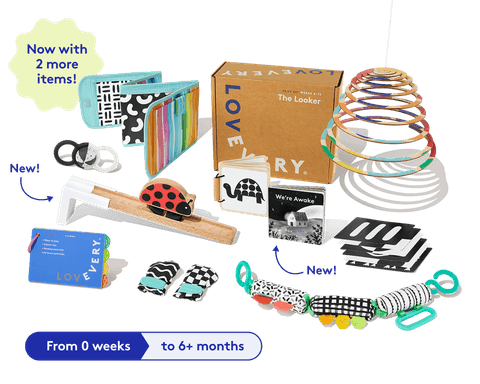
The Looker Play Kit - Weeks 0-12+
Vision is growing clearer, hearing is sharper, and body movements start to look a bit more purposeful. Arms wave. Legs kick. Eyes follow a toy for a few seconds. Some babies answer speech with coos or gurgles, almost like they are saying, “Keep going, I’m listening.” That tiny back and forth is early conversation. It supports emotional comfort and early childhood stimulation without needing a single fancy gadget.
A familiar living room scene shows how this works. A parent places the baby on a soft mat after a nap and feeding. The room is quiet. A black and white card moves slowly from one side to the other, then pauses. The baby looks away, then back again. That pause matters. It gives the brain time to process the shape, the contrast, and the movement. Small details like this can make simple play feel more connected and less overwhelming.
Short sessions are ideal. Two or three minutes of focused play, repeated several times during the day, often feels much better than one long effort. If a baby yawns, arches, turns the head away, or starts fussing, that is useful information. It means the activity has done enough for now. Respecting those signals builds trust, and trust is part of every strong baby bonding routine.
Sensory Strands - Weeks 0–12+
There is also a physical side to these calm routines. Gentle floor time, looking around while lying on the back, or practicing tummy time for a minute or two can support neck and shoulder strength. No pressure. No rush. A good play session with a young infant often ends before an adult expects it to. That is normal, and honestly, it is often the sweetest way to keep things calm.
Using voice, faces, and touch for baby bonding
The easiest play tools are already there: a voice, a face, and gentle hands. Babies at this age love studying expressions. Slow, exaggerated faces are easier to track than quick ones. Try opening the eyes wide, then smiling, then making a soft surprised look. Wait a second. Many babies respond with intense focus, a wiggle, or a tiny sound… and that feels like magic.
Talking through the day helps too. During a cuddle, a caregiver might say, “Here are your little hands,” or, “This blanket feels soft.” That language is simple, but it links sound, touch, and comfort. It supports listening skills while making the baby feel included in the moment. When the same short phrases return each day, the world feels more predictable.
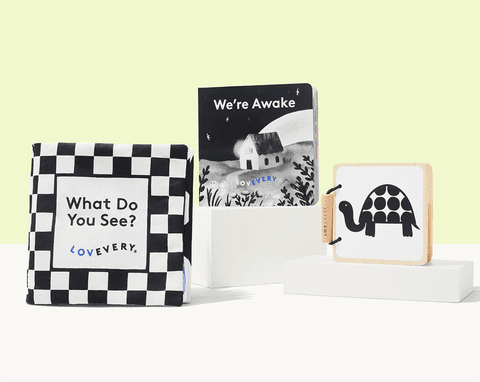
The Early Reader Club - Weeks 0–12+
Touch can be playful and soothing at once. A light hand on the tummy after a bath, a gentle stroke down the legs, or a soft kiss on the forehead can all support calm connection. Some babies love a tiny hand massage. Others prefer resting against a chest and listening to a heartbeat. « Slow and gentle » is usually the best rule here.
A little singing often helps when energy dips. Nursery rhymes, humming, or a repeated two line song can regulate the mood of the room. Babies do not care about perfect pitch ! They care about familiarity, rhythm, and the comfort of hearing a loved voice close by. That is one reason music often works during fussy late afternoon stretches or before bedtime.
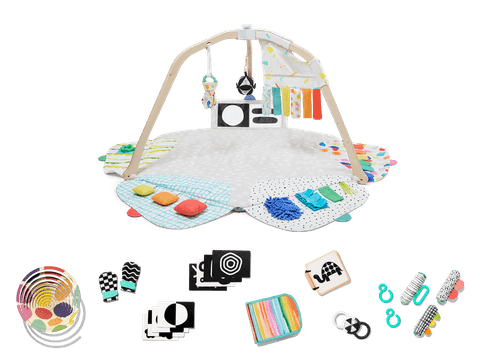
The Newborn Gift Set
For families who enjoy getting out, baby and caregiver movement classes can offer a sweet change of scene. Babywearing dance, infant friendly yoga, or a calm sing along group can add gentle motion, social connection, and fresh energy. Those outings are not required, of course. Still, they can be a lovely way to mix movement with closeness while meeting other tired, hopeful parents in the same season.
Movement opens the door to another kind of connection, one that helps a baby feel the body in space while staying close to a trusted adult.
Sensory play, tummy time, and position changes that keep play safe and meaningful
Sensory play for a 2 month old does not need bright flashing gear or loud sounds. In many cases, less is better. A soft washcloth on the feet, a smooth wooden rattle held nearby, or the shine of light on an unbreakable mirror can be enough to hold attention. The goal is gentle noticing. A baby who can stay calm while exploring a new sound or texture gets much more from the moment.
Tummy time deserves special attention because it supports early strength in the neck, shoulders, and upper body. Start very small. One to three minutes on a firm mat can be plenty. If the floor feels frustrating, try reclining with the baby on an adult chest. The baby lifts the head to look at a familiar face, and suddenly the activity feels warmer and easier. That tiny adjustment can change the mood completely.

Complex Black and White Card Set
Position changes matter for more than comfort. Time in the arms offers closeness and secure visual contact. Lying on the back gives space to kick, stretch, and watch a toy move slowly overhead. A side lying position, carefully supported, can add variety and reduce frustration during wake windows. These small shifts help a young infant experience the room from different angles while working different muscles.
Mirror play is a favorite for many families. Place a baby safe mirror where the child can see both the reflection and the caregiver nearby. Tap the frame softly. Smile. Move the head a little to one side. This can support visual tracking and social awareness without pushing too much stimulation. It is simple, calm, and very easy to repeat.
Water can also introduce new sensations if handled with care. A few drops of lukewarm water on the hands or feet during bath time can feel fresh and interesting. Keep it brief, fully supervised, and quiet. There is no need for splashing shows. For a baby this young, the feeling of warm water on the skin is already plenty.

The Mini Kits - 0 Months+
Some babies enjoy a lightweight high contrast toy moving slowly left and right. Others love hearing a soft rattle from one side, then the other. These tiny games support tracking and listening. The pace should stay gentle so the child has time to focus. A slow pause often works better than constant motion, because it lets the baby search, re focus, and settle.
When a session goes well, stop while the baby still seems content. That ending matters. It leaves the child with a good feeling linked to play, closeness, and calm exploration. That is a strong foundation for later curiosity.
Reading, music, and daily routines as infant interaction tools
Books work surprisingly well at this stage, especially ones with bold patterns, simple faces, and strong contrast. A parent can hold the book close, point to one picture, and describe it with warmth. “A round moon.” “A sleepy bear.” The baby may not understand the words yet, but the voice pattern, the closeness, and the repeated sounds all support early listening.
Music offers another easy route into infant interaction. Sing one short rhyme several times. Pause after a line and wait. Sometimes a baby answers with a coo or a breathy little noise, and that tiny pause gives room for turn taking. It is one of the earliest forms of conversation, and it feels wonderfully human.
Even everyday chores can hold playful moments. A baby carrier walk around the home lets a child hear the washing machine hum, the faucet run, or the rustle of folded laundry. A calm voice can label each sound. This is not about teaching facts too early. It is about helping a baby link sound, rhythm, closeness, and safety.
Outdoor time helps too. A short stroller walk can offer changing light, soft wind, distant birds, and the steady comfort of a familiar voice. Naming what is nearby keeps the rhythm gentle: a tree, a red car, a barking dog, then silence. Quiet gaps are useful. Babies need those spaces to absorb what they have heard and seen.
That same principle carries through the whole day. Keep activities brief. Repeat favorites. Watch the face and body for signs of tiredness. When play follows the baby’s rhythm, it supports comfort as much as learning. And that is the real point of engaging playtime with a very young child: shared ease, growing trust, and a handful of sweet moments that linger long after the toys are put away.
Some families love a little extra inspiration from songs and movement demos, especially on days when ideas run dry and the wake window feels short.