Picture a Saturday afternoon when kids have energy to spare, the sidewalk looks like a tiny racetrack, and every driveway feels like a new destination. That is the magic of ride-on toys, little vehicles made for giggles, practice, and proud “look what I can do” moments. Some roll with simple foot power, others use pedals, and a few are battery-powered with lights and playful sounds that spark instant pretend play. Parents love them for the same reason kids do: they mix pure fun with real progress in balance, steering, and confidence. Tiny hands grip handlebars, feet learn timing, and suddenly outdoor time feels like a mini expedition on wheels… who could say no to that?!
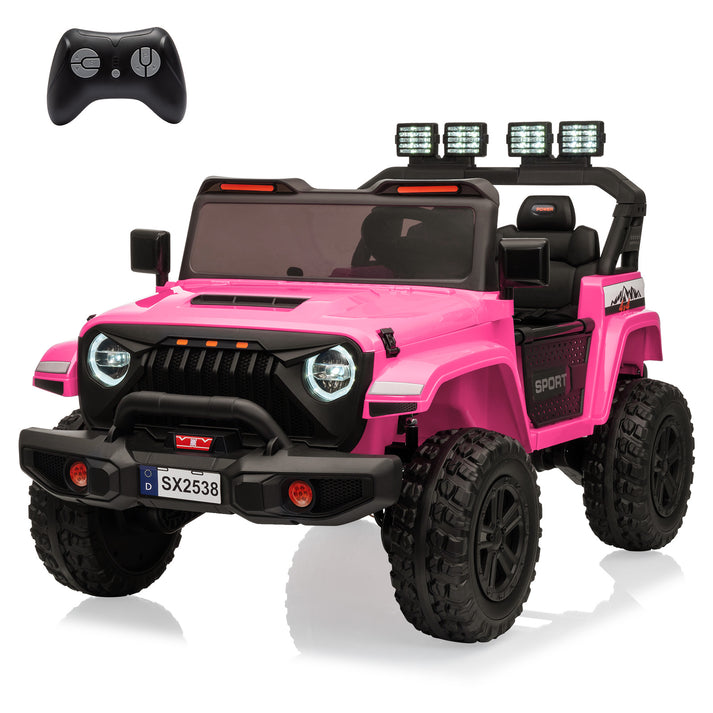
Garvee Ride - P Series: 24V Ride On Car, 4WD 2 Seater Kids' Electric Vehicle Truck with Remote Control, Adjustable Footwell Ride On Truck, 3 Speeds, Led...
Exciting Ride-On Toys for Kids: Scooters, Tricycles, Balance Bikes, and More
In many neighborhoods, the first “vehicle phase” starts with a scooter. A toddler friendly three wheel scooter feels stable, and kids can focus on pushing and steering without worrying about tipping. The best part is how naturally it fits into outdoor play: a quick lap to the mailbox, a slow glide past chalk drawings, then a fast dash back to show off.
Tricycles come next for many families because pedaling is its own little puzzle. Knees lift, feet search for the pedals, and the first full rotation earns a huge grin. A preschooler sized trike also invites social moments, like taking turns on the driveway or “delivering” toy snacks to siblings (and yes, the snack crumbs end up everywhere).
Balance bikes, also called pedal free bikes, are a favorite for kids who want to feel speedy without jumping straight to training wheels. They work because children push with their feet, coast, then lift both feet for a second or two. That floating feeling is exciting, and it gives a clear reason to practice: longer coasts feel like winning.
Then there are kid sized cars and trucks, including battery-powered ride ons. Many have working headlights, a horn sound, and music buttons, which is adorable until the “favorite song” plays 19 times in a row. Some models look like mini Jeeps, tractors, ATVs, go karts, or even bumper cars for indoor parties, and kids treat them like real missions. One minute they are “parking,” the next they are hauling imaginary sand, then they are driving to the “pizza shop” they invented on the patio.
For parents who like a simple way to match toys to age, some retailers group them by developmental series: B Series for under 3 years, P Series for ages 3 to 6, G Series for 6 to 12, and T Series for teens. It is not a rulebook, but it helps narrow choices when shopping for an exciting gift that still fits a child’s size and skills.
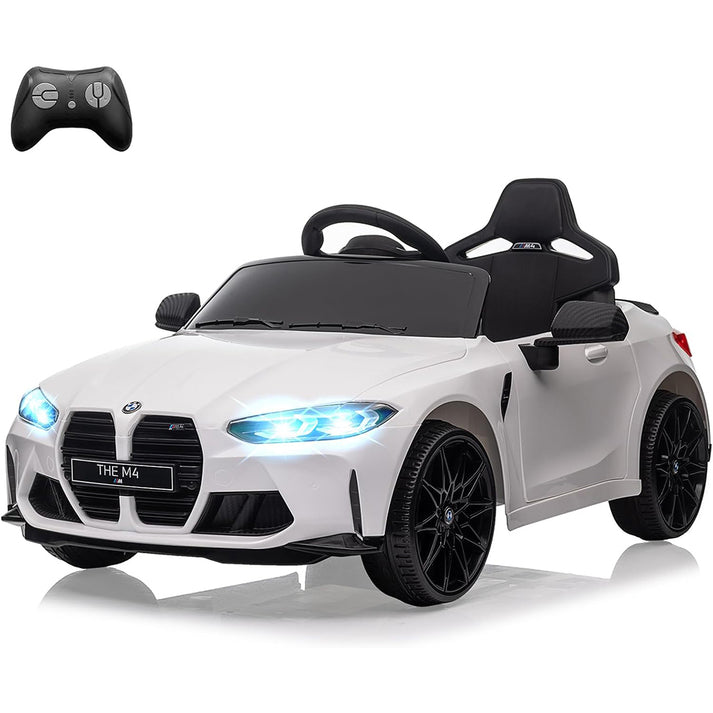
Garvee Ride - P Series: 12V Electric Ride On Car for 37-83 Months, w/RC,Licensed by BMW M4,Power Wheels for Boys Girls, with Suspension System,3 Speeds,...
How kids interact with different ride-on styles
Scooters invite quick starts and stops, so kids often create games like “freeze at the cone,” using a water bottle as the cone. Trikes encourage steady loops and longer play sessions, especially when kids pretend the sidewalk is a delivery route. Balance bikes trigger experimentation, like seeing how far a child can coast before feet touch down.
Battery vehicles add a story layer. Kids press buttons, “check mirrors,” and announce, “I’m going to work,” which is funny and kind of sweet. That little dashboard routine keeps them engaged even when the vehicle is parked.
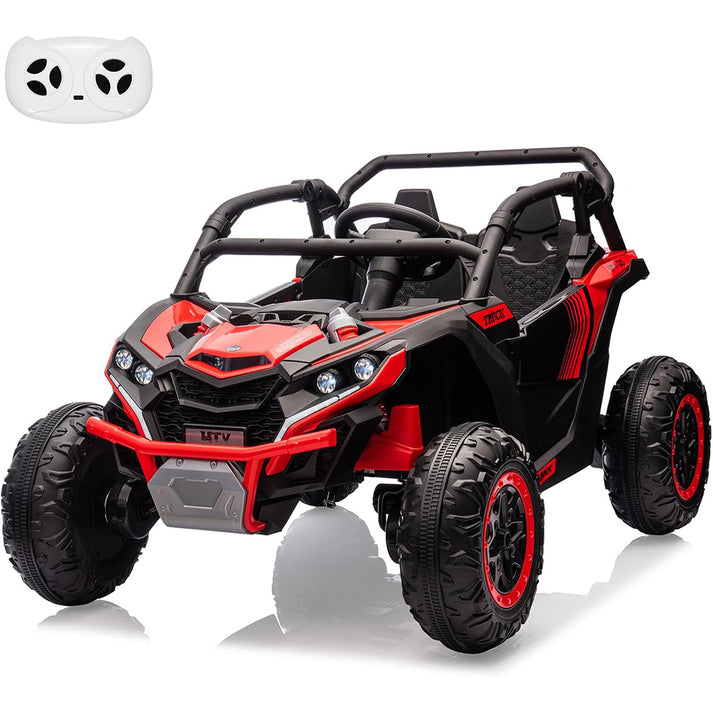
Garvee Ride - P Series: 24V Ride On Utv For Kids,2 Seater 4WD Electric Truck With Remote Control, High And Low Speed Adjustment, Led Lights,4-wheel shock...
Benefits of Ride-On Toys: Motor Skills, Confidence, and Healthy Outdoor Play
Ride on play looks simple, but it asks the body to coordinate a lot at once. Hands steer, eyes scan, feet push or pedal, and the brain decides when to slow down near the curb. Those repeated tiny choices build motor skills in a way that feels like a game, not a lesson.
Balance and coordination show up fast, especially with scooters and balance bikes. A child leans slightly into a turn, corrects wobbles, then tries again with more control. That practice also helps with everyday stuff, like climbing playground steps or hopping over a puddle without falling.
Confidence grows in visible moments. A kid who hesitated at first might suddenly announce “watch me” and roll down a gentle slope with both feet up for a second. That pride carries into other challenges, like trying a new slide or joining a new game at the park.
Physical activity is another win, especially for families trying to get more movement without a battle. Ten minutes of scooting can feel like nothing to a child, but it adds up. Pedaling a trike works legs and stamina, while push riding a balance bike encourages bursts of speed and quick recoveries.
Social skills sneak in, too. Ride on toys tend to attract other kids, and that creates natural practice with sharing space and negotiating turns. One child might call out “you go first,” another might set up an imaginary “traffic light,” and suddenly a little group has rules, laughter, and a shared plan.
Even pretend play gets richer on wheels. A cardboard box can be a spaceship, sure, but a toy tractor makes kids act out farm chores with more detail. They “load,” “haul,” “reverse,” and “park,” and those actions look like real problem solving in motion.
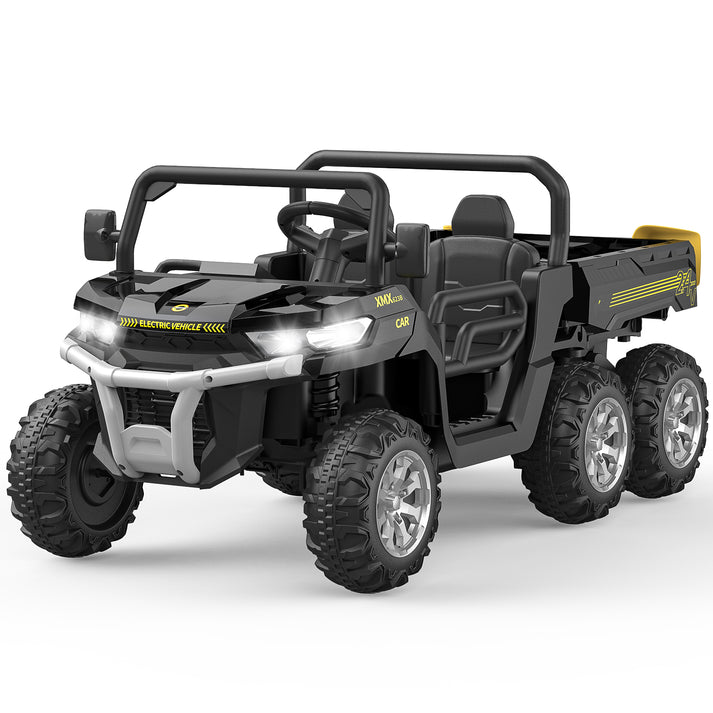
Garvee Ride - P Series: 2-Seater Ride on Car,6X6 24V Kids Ride On Dump Truck with Remote Control Electric Utility Vehicles UTV Battery Powered 6 Wheeler, for...
Small signs a toy is doing big developmental work
Look for smoother steering, fewer sudden stops, and a child glancing ahead instead of staring at the front wheel. Those are quiet upgrades that show growing body awareness. Another clue is when kids start narrating their route, like “I’m going around the tree,” which shows planning plus attention.
One practical note: progress is not always a straight line. Some kids push hard for three days, then ignore the toy for a week, then come back and ride better than before. That pause can mean muscles rested and confidence caught up.
Choosing Safe and Exciting Ride-On Toys: Fit, Materials, and Everyday Practicality
Picking the right ride on option starts with fit. Handlebar height, seat height, and overall length matter because kids need comfortable control. If knees hit the handlebars or feet cannot reach the ground on a balance bike, frustration shows up fast.
Materials also matter for real life use. Plastic bodies can be lightweight and easy to wipe after snack time, while metal frames often feel sturdier for frequent riding. Wheels deserve attention too, since wider wheels can feel calmer on rough pavement, and rubberized tires often grip better than hard plastic on smooth garage floors.
Safety features vary by style. Scooters benefit from a strong deck grip and responsive rear brake. Trikes need stable geometry and a seat that does not shift. Battery vehicles often include seat belts and speed settings, and parents should check how easy it is to engage low speed for beginners.
It helps to think about where the toy will live. A bulky UTV style ride on might be amazing, but a third floor apartment with a narrow stairwell makes storage annoying. Meanwhile, a foldable scooter slides behind a door, and a small trike can hang on a garage hook.
Parents also juggle longevity. Some families choose a “right now” toy for a young toddler, then plan a bigger upgrade later. Others prefer adjustable options, like a scooter with a height shifting handlebar or a balance bike with a seat that rises as legs grow.
For safe daily riding, a simple routine works. Helmet first, then closed toe shoes, then a quick scan for hazards like gravel or wet leaves. Many families also pick a consistent riding zone, like a quiet cul de sac, a smooth path at a local park, or an empty tennis court when it is open.
To keep the adventures fresh, try tiny challenges that feel playful, not strict. A kid can follow a chalk “road,” park between two cones, or do a slow ride while balancing a small stuffed animal in the lap. Those little missions keep practice joyful, and they make every ride feel exciting without needing more gear.
Two honest watch-outs parents tend to learn the hard way
First, many battery ride ons sound quieter online than they do in a living room, so indoor use can feel loud. Second, some cheaper plastic wheels chatter on sidewalks, which can annoy neighbors during early mornings. Small details, big difference.
What playful route will kids want to “drive” tomorrow, the mailbox loop, the park path, or a brand new chalk city on the driveway?