Encouraging healthy eating habits in children often feels like a daily challenge for many parents. Creating food that is both nutritious and visually stimulating can transform mealtime from a chore into an exciting event. Food art offers a playful and educational approach, turning simple ingredients into imaginative culinary presentations that spark children’s interest and creativity. Involving kids in the preparation of these artistic creations can enhance their willingness to try new foods, especially fruits and vegetables, while fostering fine motor skills and cognitive development.
From colorful vegetable bouquets to whimsical animal-shaped sandwiches, food art blends the visual appeal of crafts with the nutritional benefits essential for growing children. With increasing awareness around balanced diets and the need to combat picky eating, fun and creative recipes for kids have become a popular and effective strategy. Innovative brands and communities such as FunBites, Bentgo Kids, and Yumbox help make this approach accessible, offering tools and inspiration for inventive, fun food arrangements.
This content explores a variety of creative recipes and playful food projects designed to motivate children to enjoy wholesome meals. It delves into the educational and developmental benefits, practical techniques, and recipes that transform everyday food into edible art. Parents and caregivers will find ample ideas to refresh snack times, lunchboxes, and family meals, all contributing to joyful food experiences and healthier eating patterns.
- Food Art as a Tool to Encourage Healthy Eating in Children
- Edible Art Projects: Combining Creativity and Nutrition
- Simple and Fun Food Art Ideas for Kids Using Common Ingredients
- Interactive Recipes That Involve Kids in Food Preparation
- Using Food Art to Teach Colors, Shapes, and Counting
- Seasonal and Holiday-Themed Food Art Recipes
- The Role of Sensory Play in Food Art Activities
- Integrating Food Art into Daily Family Meals and Celebrations
Food Art as a Tool to Encourage Healthy Eating in Children
One of the most effective ways to help children develop a taste for fruits and vegetables is by presenting these foods in engaging and accessible ways. Food art leverages the natural appeal of creativity to turn ordinary ingredients into compelling visual stories. When kids see their meals shaped like friendly animals, colorful rainbows, or delightful garden scenes, they feel more connected to the food on their plate. This association can significantly reduce resistance to trying new or less favored items.
The concept of food art goes beyond aesthetics; it is a subtle behavioral approach that changes the dynamics of mealtime. For example, a sandwich cut into the shape of a butterfly or an avocado arranged as a vibrant caterpillar invites curiosity and excitement. Picky eaters become less focused on taste apprehension and more on the joy of eating something fun. Parents have leveraged this approach successfully using creative lunch containers like those from Lunch Punch or Yumbox, designed to compartmentalize food into artistic segments.
Moreover, incorporating food art fosters a positive emotional environment during meals. Children tend to associate mealtime with shared creativity and parental involvement, making them more enthusiastic about eating what they helped prepare. Studies in child nutrition suggest that involving children in meal aesthetics stimulates their appetite and can increase vegetable intake by encouraging mindful eating habits. Combining food art with brands like Silly Apples or Snacktastic Creations allows for engaging designs that appeal visually and nutritionally, supporting balanced diets in a joyful manner.
Adopting food art is particularly beneficial for parents aiming to transition children towards healthier options without force or pressure. Rather than insisting children eat broccoli because it is good for them, presenting broccoli trees alongside happy-faced carrot suns and strawberry ladybugs can inspire kids to taste and appreciate a variety of nutritious offerings. This method aligns with psychological principles of motivation and reward, turning food into an exciting craft.
Edible Art Projects: Combining Creativity and Nutrition
Edible art projects are an innovative way to stimulate a child’s senses while providing nourishing meals. By allowing children to physically manipulate food items into shapes and scenes, these projects serve as both sensory play and learning experiences. For instance, crafting marshmallow monster snacks with candy eyes and sprinkles becomes a multisensory exercise involving touch, sight, and taste simultaneously.
One popular edible art activity involves making animal faces from toast and fruits. By using slices of bananas, blueberries, strawberries, and apple pieces, children can assemble characters that are both delightful and diet-friendly. This hands-on engagement not only cultivates creativity but also encourages the consumption of natural sugars and fibers found in fruits. Companies such as Edible Art Bakery have championed this trend, offering inspiration and resources to parents eager to merge culinary fun with health.
Another compelling project is the creation of rainbow veggie skewers. By threading colorful vegetables like cherry tomatoes, cucumbers, bell peppers, and purple carrots on skewers, kids learn to recognize colors and develop fine motor skills. This kind of food art invites children to appreciate natural colors and textures, making veggies less intimidating. Additionally, crafting with versatile tools like Play with Food kits enhances the experience by providing ergonomic, child-friendly utensils specifically made for edible art.
Importantly, edible art experiences help build positive associations with food from an early age. When children partake in the preparation and decoration of their snacks, they gain a sense of ownership and achievement. This involvement can lead to improved self-esteem and willingness to explore diverse tastes. The integration of educational concepts during edible art projects—such as counting pieces, identifying colors, and describing textures—maximizes developmental benefits.
Taking edible art outdoors, such as during picnics or community events, further enriches the sensory and social context of these activities. Kids can interact with peers while sharing and showing their food creations, reinforcing social skills alongside nutritional wisdom. These group settings, aided by products like FunBites snack cutters, bring a community dimension to food art, connecting children through shared experiences.
Simple and Fun Food Art Ideas for Kids Using Common Ingredients
Creating food art for children doesn’t require specialty ingredients or expensive kitchen tools. Many playful and appetizing designs begin with everyday fruits, vegetables, and pantry staples that are easily accessible. This accessibility makes it simple for families to adopt food art as part of their regular meal planning without feeling overwhelmed.
A classic example is building sandwich creatures using ingredients like whole grain bread, cheese slices, olives, and cherry tomatoes. The sandwich can become a frog with olive eyes, cheese teeth, and tomato feet. This not only turns an ordinary lunch into an exciting one but also ensures the meal is balanced and wholesome. For more creative inspiration and recipes, parents can explore resources offering simple pizza recipes kids will love or after-school snack recipes that introduce nutritional variety in colorful formats.
Spring and summer lend themselves to vibrant fruit plates arranged as butterflies or caterpillars. Sliced kiwis, grapes, citrus segments, and blueberries can be skewered or displayed on plates in elaborate patterns. These recipes invite children into the kitchen to help prepare and learn about fruits, encouraging exploration beyond their usual dietary preferences.
Vegetable bouquets are another easy food art idea that turns salads or raw veggie snacks into garden-like arrangements. Using items like carrot sticks, broccoli florets, and bell pepper strips, children can create “flower petals” and “stems” that are visually inviting. Such arrangements support exposure to new vegetables and textures and pair well with kid-friendly dips.
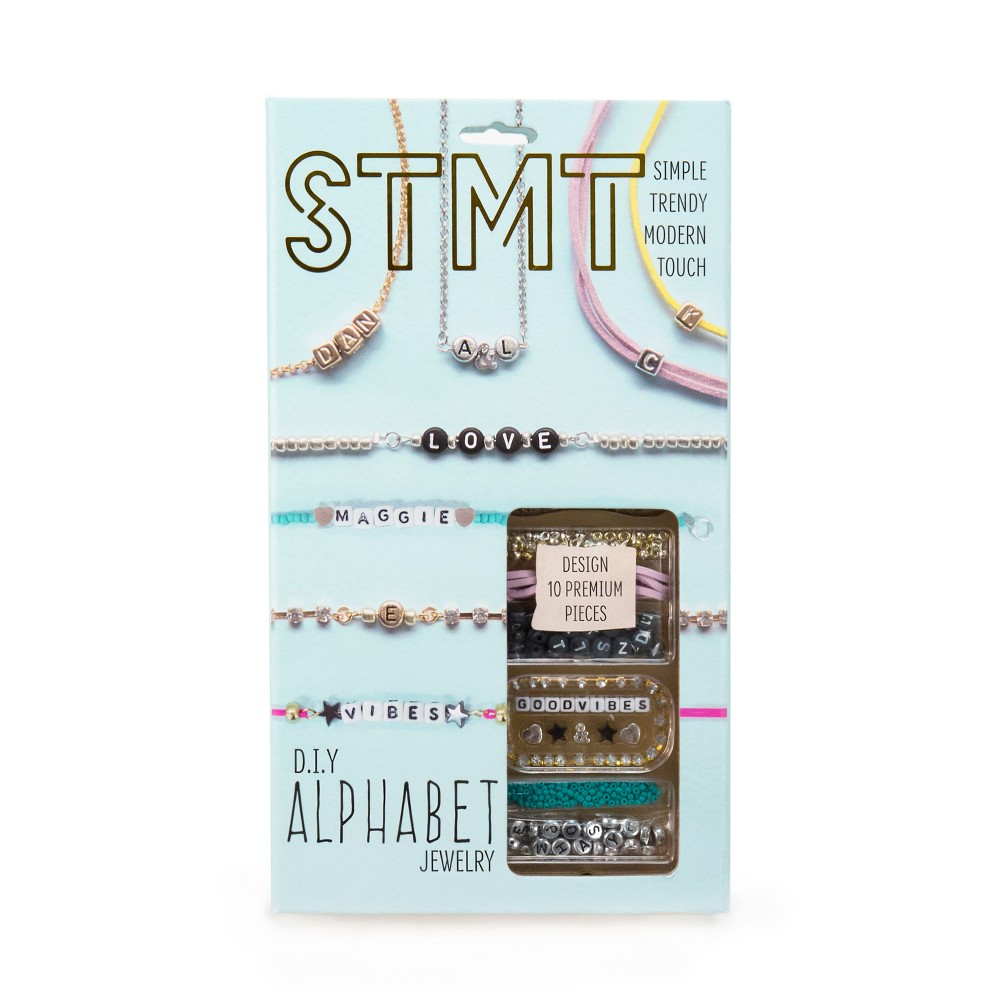
Additionally, edible bead crafts crafted with fruit loops, cereal rings, or pretzels threaded onto cotton twine enable young kids to practice fine motor coordination while assembling snackable jewelry. Combining play with nutritional foods like this, especially when guided by tools from brands like Little Foodies, increases the likelihood of children positively engaging with their diet.
Interactive Recipes That Involve Kids in Food Preparation
Getting children actively involved in their food preparation is a key aspect of making food art a sustainable and enjoyable part of their diet. When kids participate in creating their meals, they develop a deeper understanding of nutrition and gain skills that foster independence and confidence. Interactive cooking projects transform the kitchen into an educational playground.
One engaging activity is making homemade ice cream in a bag, which combines science and culinary fun. Kids mix the ingredients, shake the bag to freeze the ice cream, and choose their own flavor mix-ins. This process encourages patience, motor skills, and scientific curiosity, resulting in a tasty and customizable treat. For variations catering to dietary restrictions, dairy-free options are easily incorporated, adhering to inclusive nutrition.
Another hands-on recipe involves edible marshmallow slime, which is tactile and amusing yet entirely safe to eat. Made from melted marshmallows, powdered sugar, and coconut oil, kids enjoy shaping and squishing their slime while savoring the sweet taste. This sensory activity supports cognitive and motor development while providing a creative outlet.
Diving into playful edible recipes like frozen ocean animal rescues, where children excavate sea creatures from colored ice blocks, introduces problem-solving and fine motor exercise. Combining fun and education keeps children engaged and helps build a positive, playful relationship with food.
Using themed kits like Play with Food or Bento Kids products can supplement these activities by providing materials and inspiration that make food art preparation easier and more structured. These tools empower parents to facilitate successful hands-on cooking experiences that boost children’s self-esteem and enthusiasm for healthy eating.
Using Food Art to Teach Colors, Shapes, and Counting
Food art serves as a playful educational platform where children naturally absorb concepts such as colors, shapes, counting, and pattern recognition. Rather than formal lessons, these ideas are introduced in an enjoyable context that appeals to a child’s curiosity and desire for exploration.
For example, rainbow-themed recipes, including rainbow veggie skewers or layered fruit parfaits, teach children the sequence and vibrant differences in hues. This hands-on experience with visual elements improves color identification and recall, aiding early learning milestones. Recipes and activities found on platforms dedicated to rainbow recipes to make with your kids enrich this approach by blending nutrition and education seamlessly.
Shapes and symmetry can be explored through cutting fruits and sandwiches into circles, stars, hearts, or animals. Children enhance spatial awareness and fine motor skills by assembling plates or lunchboxes using these cut shapes. This form of play also extends into practicing math via counting the number of fruit slices or veggie pieces on a plate or arranging beads by pattern and color.
Experiments with color diffusion, such as the classic M&M science craft on warm water plates, illustrate basic scientific principles alongside visual artistry. Watching the candy shells dissolve and create colorful patterns stimulates observation skills and curiosity, all within the context of a taste-safe, edible experiment.
These concepts, when integrated into daily mealtime with items from Yumbox or Snacktastic Creations, help solidify foundational cognitive skills that support academic readiness while nurturing a positive emotional connection to food.
Seasonal and Holiday-Themed Food Art Recipes
Seasonal and holiday-themed food art recipes provide a wonderful opportunity to celebrate special occasions through culinary creativity. Crafting treats that reflect the time of year, festivities, or cultural traditions nurtures a child’s sense of anticipation and participation in family rituals.
For example, marshmallow monster snacks adorned with candy eyes and sprinkles are perfect for Halloween or spooky-themed parties, while red and green fruit arrangements are staples for Christmas-time fun. Parents can incorporate these seasonal ideas with themed foods to make celebrations memorable and exciting for children.
Food art also supports introducing cultural recipes to kids, helping them appreciate diverse traditions and flavors. A colorful bento box inspired by global cuisines can serve as an educational tool enhancing cultural awareness. Resources such as cultural recipes to teach kids about food provide enriching ideas for incorporating cultural stories alongside meals.
Creative holiday lunches using Bentgo Kids containers transform standard school meals into festive experiences. For birthdays, creating animal-shaped cakes or fruit platters featuring favorite characters makes the event special while promoting wholesome eating habits. Comprehensive guides on how to plan a memorable birthday party often include sections on food art to blend celebration and nutrition effectively.
These thematic food crafts support community building and enhance festive moods, making the food experience both joyful and nourishing. They provide an excellent platform for family bonding and promoting culinary skills in fun and colorful ways.
The Role of Sensory Play in Food Art Activities
Sensory play involves activities that stimulate any of the five senses, contributing significantly to a child’s brain development. Food art uniquely combines sensory play with nutrition, offering opportunities to touch, taste, see, and sometimes smell and hear the food they are creating and consuming.
Experiences such as colorful spaghetti play, where children manipulate dyed pasta noodles, encourage tactile exploration while also providing visual stimulation. Mixing noodles with a melted butter and cinnamon sugar “dirt” lets kids delve into imaginative sensory play that bridges food with storytelling and creativity.
Playing with edible sand made from baked flour or crushed graham crackers invites children to experience new textures safely while exploring motor skills through pouring, molding, and sculpting. These activities not only entertain but also support sensory regulation and descriptive language development.
Additionally, activities like ice painting treats use colored frozen popsicles as painting tools. This unconventional method encourages experimentation with temperature, texture, and color blending, adding a refreshing sensory dimension to food art. All these sensory experiences encourage healthy emotional expression and cultivate healthy sensory processing.
Brands such as Eat2Explore provide tools and ideas to incorporate sensory play into food preparation and enjoyment, helping parents nurture a well-rounded developmental environment with simple adaptations and playful innovations.
Integrating Food Art into Daily Family Meals and Celebrations
Incorporating food art into everyday meals and special celebrations invites families to share more joyful and meaningful times together. Beyond the nutritional benefits and fun, it creates routines of creativity and connection that enrich family life.
Using reusable containers and snack cutters from brands like FunBites and Lunch Punch enables parents to prepare lunches and snacks that look appealing and well-balanced, fostering positive eating habits. These tools help portion control while encouraging variety and color, making it easier to meet daily nutritional goals.
Daily integration of food art supports establishing healthier eating patterns without strict rules or pressure. It allows children to experiment with tastes in a low-stress environment, making mealtime a source of pleasure rather than power struggle. Activities like assembling food bead necklaces or decorating sandwiches with playful themes can become habitual rituals, enhancing family bonding.
For celebrations, blending food art with thematic decor and activities adds layers of engagement. Birthday parties, holiday feasts, and school events become fertile platforms for showcasing culinary creativity that respects dietary needs and preferences. Comprehensive guides on holiday recipes your kids can make promote inclusion and empowerment, allowing children to take pride in contributing.
Overall, integrating food art connects health, education, and emotional warmth. It offers parents supportive tools and inspiration to cultivate happy eaters and joyful memories, enhancing lifetime attitudes toward food and well-being.