It is 8:41 p.m., the dishes are drying, and a child suddenly remembers the one thing that feels non negotiable: “One more story.” That small request captures what shared reading between parents and children really is, a pocket of time where a family slows down long enough to hear each other breathe, laugh, and wonder. It can happen on the couch, on a top bunk with a flashlight, or in the carpool line with a paperback wedged on a steering wheel (not ideal, but it happens). The point is not perfection. The point is the ritual of attention, where a familiar voice makes characters feel close, and the page gives everyone something gentle to hold. And yes, the importance of this habit goes far beyond school readiness. The surprising part is how many invisible wins show up later, in calmer communication, stronger relationships, and even lower stress for both sides. Who knew a dog in a picture book could help a real kid talk about a hard day at the playground?!
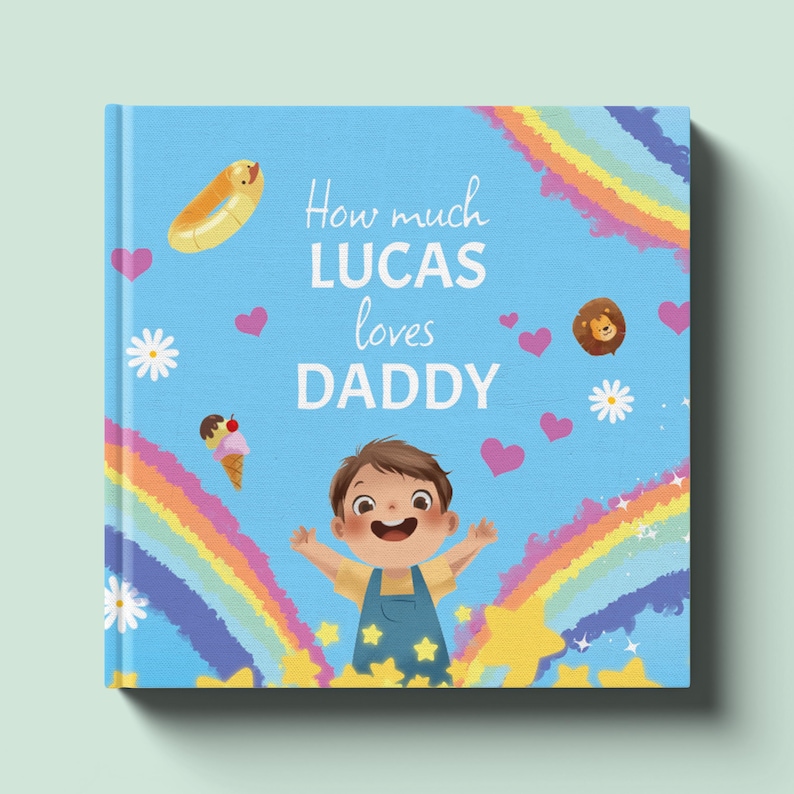
Personalized Children's Book
Shared reading for parent child bonding: what it looks like at home
Shared reading is not a performance, and it is not a quiz. It is one adult and one child sharing a story in the same space, with room for pauses, side comments, and that inevitable moment when someone asks for the exact same page again. The cozy version often happens at bedtime, but plenty of families find their sweet spot after breakfast, right after daycare pickup, or during a weekend reset when everyone needs a calmer pace.
To make this feel real, imagine a fictional family, the Parkers, juggling two kids aged 4 and 9. On weekdays, the 4 year old picks a bright picture book and “reads” by naming trucks and pointing at the moon. The 9 year old listens to a chapter book while drawing quietly, because hands busy can mean ears open. Same couch, different needs, same shared moment.
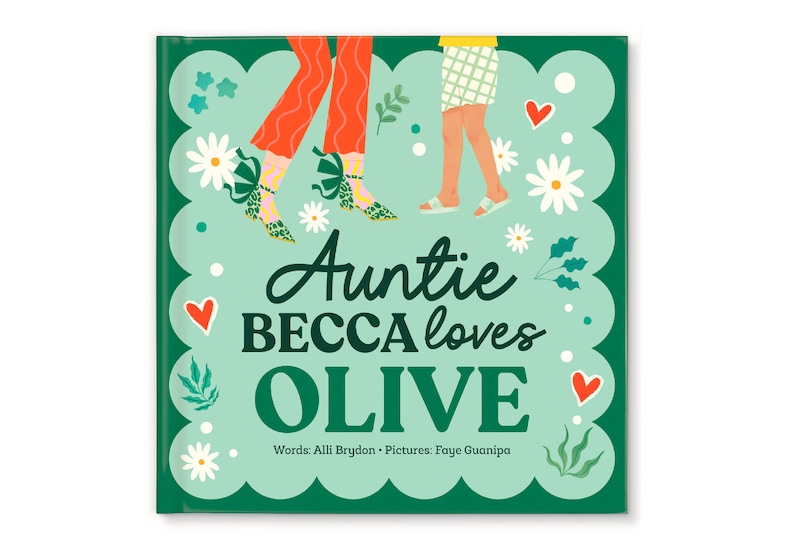
Gift from Aunt | Gift for Nephew | Gift for Niece | Auntie and Me Personalized Children's Book
Three styles of reading that support connection and communication
Reading aloud is the classic option, and it works because kids hear tone, rhythm, and emotion, not just words. A parent can whisper during a suspenseful scene, then speak normally again, and the child hears how feelings sound. It is simple, and it lands.
Interactive reading adds tiny invitations: “What do you think happens next?” or “Can you find the tiny cat?” This kind of back and forth supports communication in a way that feels playful, not heavy. Kids practice answering, disagreeing, and explaining, all while staring at a pirate ship.
Discussion based reading fits older kids and tweens, especially when a story raises social stuff like fairness or friendship. A parent can say, “That choice felt rough,” and wait. Silence is allowed. Then a child might offer a surprising opinion, and the relationship gets another thread of trust.
Families also use audiobooks or kid friendly reading apps, especially during travel. The medium matters less than the togetherness, the shared reactions, and the little check ins that say “I’m here with you.” That steady presence is the insight many parents underestimate.
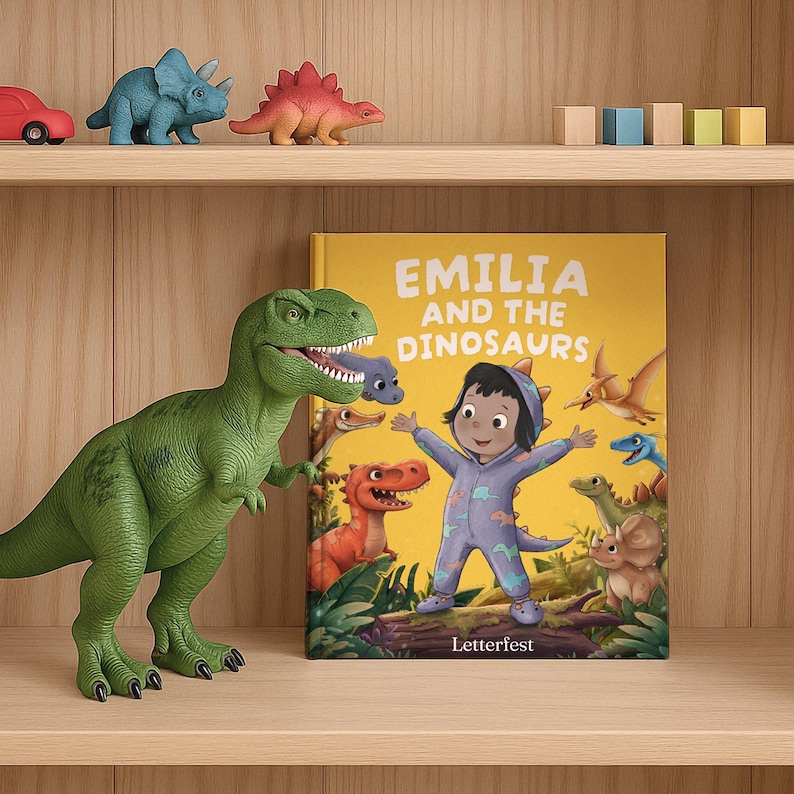
Custom Dinosaur Birthday Children's Story Book | Personalised Name Adventure for Kids | 1st Birthday Gift for Children
Emotional benefits of reading together: trust, safety, and surprising stress relief
The biggest benefits of shared stories often show up in feelings first, not report cards. A child who feels seen tends to share more, and shared reading creates a reliable window where attention is undivided. Phones face down. TV off. Just pages turning and a kid checking a parent’s face to see if the scary part is scary or kind of funny.
That predictability matters. Kids like knowing what comes next, and a steady reading habit gives the nervous system a cue to settle. Many families notice fewer bedtime protests when the routine includes a short story, even if the child still tries to negotiate for “one more.” It is not magic. It is comfort built from repetition and closeness (and yes, the snack crumbs still end up everywhere).
Empathy practice that does not feel like a lecture
Stories let kids observe emotions safely. A character feels jealous, makes a messy choice, apologizes, and tries again. A parent can name it without shaming: “He looked embarrassed.” That helps children label their own feelings later, especially when they cannot find the words during a meltdown.
Some education and child development research summaries published through 2025 keep pointing to this pattern: when adults talk with kids about characters’ motives and feelings, children tend to show stronger social understanding over time. No need for big speeches. A simple “Why did she hide?” often gets a thoughtful answer.
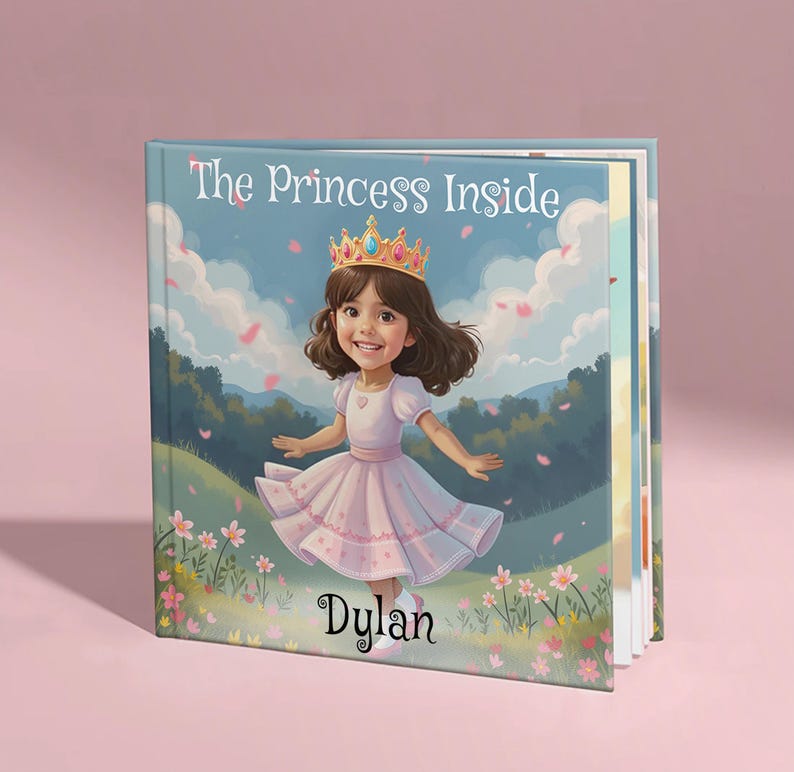
The Princess Inside | Personalized Children's Book | Princess Adventure | Gift for Little Girls | Personalized Storybook | Birthday Gift
A less talked about perk: lower stress for parents too
Shared reading can calm grownups as well. Breathing slows when the voice reads steadily, and the brain gets a break from decision fatigue. A parent who spent the afternoon managing tantrums may feel a genuine reset after 12 minutes of gentle storytelling.
One surprise comes from language exposure. Some research estimates that daily reading routines can add hundreds of thousands of extra words heard by kindergarten entry, and sometimes far more, depending on consistency. More words heard means more chances for kids to express needs with language rather than screams. Not always. But often.
For a concrete example, the Parker family noticed their 4 year old started using phrases from books, like “I’m frustrated,” instead of throwing a toy. That is development you can see, right there on the rug. Next up, the practical side matters, because habits survive only when they fit real schedules.
Some families worry about print versus screens. Print often invites more pointing and talking, while a tablet can pull attention toward tapping and swiping. Still, an ebook on a long flight can save the day, as long as the adult stays present and treats it like shared time, not solo scrolling.
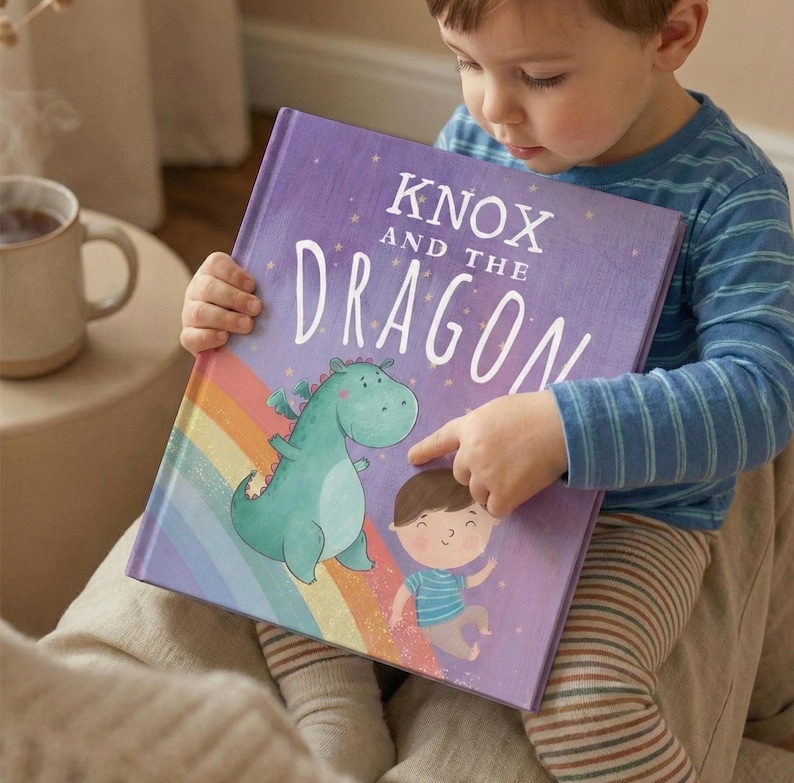
Personalised Dragon Story Book for Babies & Children | First Birthday, Christening and Keepsake Gift
Long term relationship development: keeping bonding alive into the tween and teen years
Shared reading does not need to end when kids learn to read alone. In many families, reading together shifts format: fewer picture books, more chapters, graphic novels, nonfiction about animals, sports biographies, even poems that feel mysterious. The key is keeping the shared attention and the conversation that follows, because those are the parts that protect relationships later.
Adolescence can bring shorter answers and longer doors closed. But a story can still open a side route for connection. A parent and teen listening to an audiobook during a drive might discuss a character’s unfair teacher, and the teen may quietly admit something similar happened at school. No interrogation required. Just a shared reference point and a little trust built earlier.
How shared stories support communication when life gets complicated
Books give families neutral language. Instead of “Are you being bullied?” a parent can ask, “That scene felt harsh, did it remind you of anything?” A teen can shrug, then later circle back. That is how real communication often works, in waves, not speeches.
This practice also supports social skills in plain sight. Kids hear dialogue, sarcasm, apology, and repair. They watch characters mess up and try again. When parents pause to ask, “What would you do?” children rehearse choices without real world consequences.
Busy schedule friendly ways to keep it going
Consistency beats length. A realistic goal might be 9 minutes after dinner on school nights, plus one longer session on weekends when everyone has more patience. Some families stack it with routines already happening: pajamas on, water bottle filled, then story.
Choice matters too. Let kids pick topics that match their obsessions, even if it is the 47th book about dinosaurs. Autonomy helps children feel respected, and respect supports bonding in a way lectures never will.
For multilingual households, reading in any language counts. Hearing rich language patterns in the language a parent speaks best supports comprehension and connection, and kids often transfer those thinking skills across languages as they grow.
To keep momentum, a simple mantra helps: «We can read a little, and we can read together.» That mindset keeps the door open on hard nights, and it protects the habit for the long haul. What story will the family try next, the silly one or the brave one?