Teayingde kids tablet 7 inch Android 12 tablet PC review stories pop up in so many parenting groups lately. Parents want screens that help, not stress everyone out. This compact inch tablet promises a safer way to handle cartoons, early math practice, and long car rides without handing over an expensive work device. It mixes a bright IPS display, a chunky silicone bumper, and simplified Android 12 software that kids can navigate with a few taps. The big question parents ask most often: does this tablet PC really balance fun, learning, and limits, or does it add one more tech headache to the day 😅?
Real families report that the Teayingde feels like a practical middle ground. It skips flashy flagship specs and focuses on what matters at home: a durable design that survives the infamous couch dive, built in parental controls, and a good range of educational apps ready from the first boot. Kids love the chunky case and cartoon style. Grown ups appreciate that this kids tablet costs less than a premium toy haul but lasts longer when treated with normal kid chaos. There are trade offs, especially with performance and battery life, yet the overall parent review mood stays surprisingly positive. That mix of realistic limits and kid proof features explains why so many caregivers quietly recommend it to friends during playground chats.
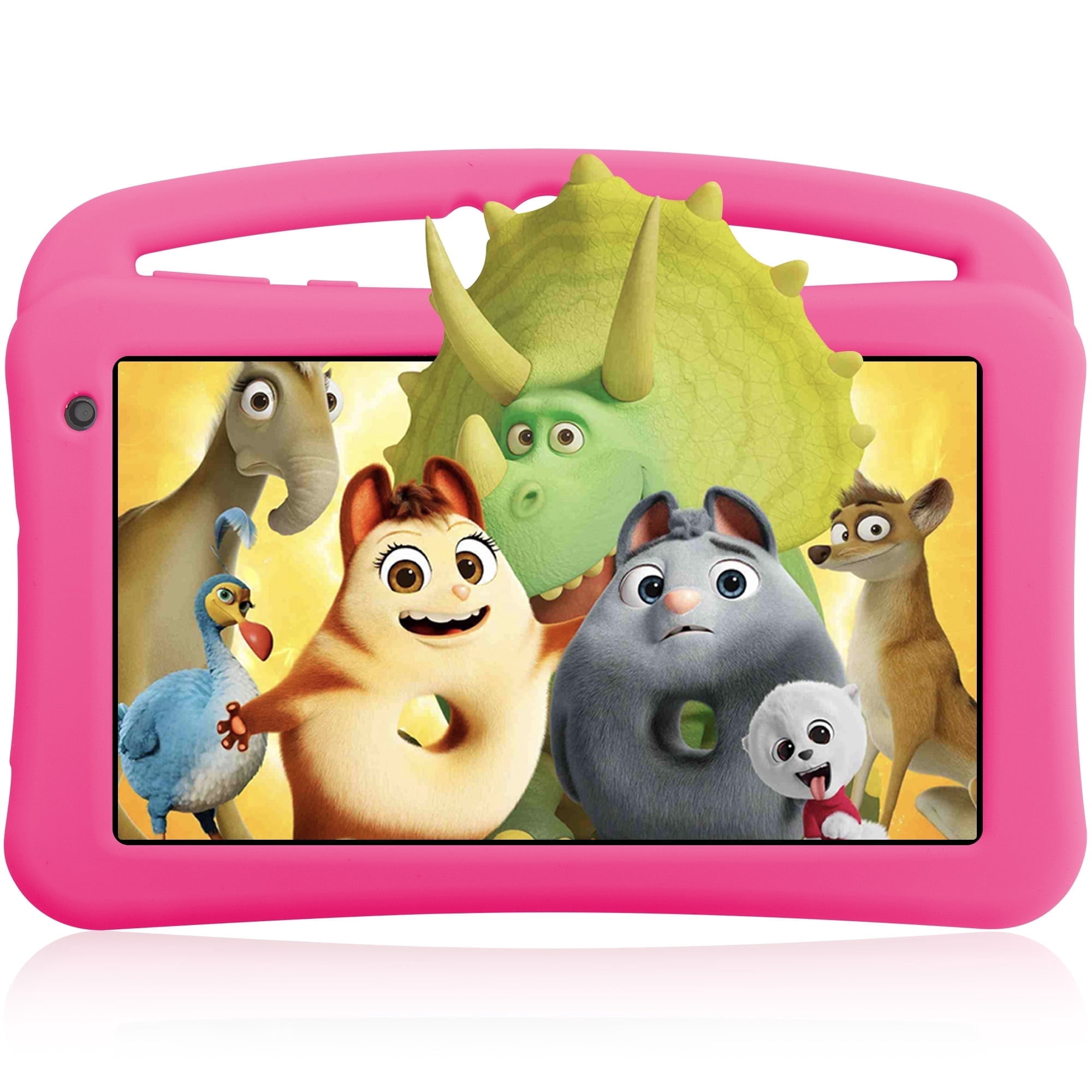
TEAYINGDE Kids Tablet 7 inch Android 12 Tablet Pc with WiFi 32GB Tablet for Ages 2–8 Kids Tablet with Silicone Case Google Play Parental Control APP (32GB,...
Teayingde kids tablet 7 inch Android 12 tablet PC: what parents really get
The Teayingde kids tablet 7 inch Android 12 tablet PC targets families who want a starter device for ages roughly 2 to 8. It uses a compact 7 inch IPS HD display with a 1280×800 resolution, which feels sharp enough for picture books, phonics apps, and kids movies. Colors look bold without sliding into that neon blown out look. Parents say it stays readable in a sunny kitchen, though direct outdoor sunlight at the park still pushes the limits a bit. Automatic brightness helps tired adults avoid digging through settings when the lights change during bedtime stories.
Inside, this tablet PC relies on a quad core processor paired with 4 GB of RAM and 32 GB of storage. That combo handles kids content, simple puzzles, and streaming services like YouTube Kids or Disney style apps fairly well when only one or two apps stay open. It is not a powerhouse. When children hop rapidly between drawing, video, and a heavier game, short pauses and occasional stutters appear. Several parent review notes mention lag when too many apps pile up, which means this device fits light use better than heavy multitasking. Parents who clear background apps regularly report smoother days.
Storage sits at 32 GB out of the box, which fills quicker than expected once offline videos, photos, and a handful of bigger games arrive. The good news: the microSD card slot supports significant expansion, with many families using 128 GB cards for peace of mind. That simple upgrade helps the kids tablet age more gracefully as school apps and photo collections grow.
Connectivity stays straightforward. WiFi covers streaming and downloads, while Bluetooth pairs kid headphones for quiet mornings when siblings still sleep. Dual cameras 2 MP on the front and 5 MP on the back give young photographers enough resolution for silly selfies and backyard discoveries. Image quality will not replace a phone camera, yet kids care more about pressing the shutter than pixel peeping. A few parents mention delight when children start narrating mini nature documentaries around the garden using this small camera setup 📷.
Powering all this, a mid size battery offers around 3 to 5 hours of mixed use in most home reports. Light reading and occasional videos lean toward the higher end, while continuous gaming or streaming shortens that window. Some parents see faster drain or slight warmth during longer gaming sessions. Those experiences match a budget friendly device: good enough for car rides, restaurant waits, and after school screen blocks, not a dawn to dusk marathon. A quick top up before a road trip still helps avoid meltdowns in the back seat.
Overall value sits at the center of every parent review. For a modest price, families receive real Android, a sturdy silicone case with a built in stand, dual cameras, parental control tools, and a screen that looks pleasant for child eyes. Performance and battery life remain average, yet most parents describe the deal as worth it, especially when they compare it with handing a glass backed flagship phone to a preschooler… and holding their breath every time it wobbles.
TEAYINGDE Kids Tablet 7 inch Android 12 Tablet Pc with WiFi 32GB Tablet for Ages 2–8 Kids Tablet with Silicone Case Google Play Parental Control APP (32GB,...

Android 12 made kid friendly on a small inch tablet
What sets this Android 12 tablet apart for families is not just the operating system name, but how it feels in daily life. The interface keeps the familiar Google layout yet layers kid focused tweaks on top. Large icons, bold colors, and simple navigation let even preschoolers move between their favorite educational apps with minimal help. Parents say that once shortcuts to three or four essentials sit clearly on the home screen, younger kids rarely wander into confusing menus.
Android 12 brings smoother animations and better background management than older versions. That matters when a curious child opens and closes the drawing app twelve times in one sitting. System level privacy controls also help parents feel a bit calmer, since permission prompts appear clearly when an app wants microphone or camera access. Combined with the vendor settings inside the tablet PC, this gives families several layers of control instead of one flimsy switch.
The big star for many households is the preloaded iWawa style environment. This space looks like a colorful playroom filled with curated content: storybooks, early math, alphabet tracing, music mixers, coloring pages, and gentle puzzles. Parents can create two different child profiles, which means a four year old and a seven year old do not need to share the same app grid or time limits. That separation reduces arguments, since each child sees content tuned roughly to their age and skills.
Time management tools live right inside this child hub. Caregivers set daily usage windows or total minutes, block specific apps, and choose which websites count as safe. During everyday routines, that makes life simpler: screen time ends when the timer pops up, not when parents start a debate. Some families pair the timer with a physical routine like snack or bath, which anchors limits in something concrete. Kids do not love the alert, but many parents call it a sanity saver.
Real life stories help show how this plays out. One family uses the tablet during breakfast for a 20 minute phonics session before school. The profile opens straight into letter sound games and a simple reading app. When the time allowance finishes, the tablet locks back to the home environment. No noisy argument, just a reminder that the next session waits until tomorrow. Another family keeps the kids tablet ready on the sofa for post tantrum calm down moments: soft music, simple jigsaw games, and a doodle pad that lets kids scribble out big feelings.
Because this device runs fuller Android, parents still access Google Play for extra content. That flexibility separates the Teayingde from closed ecosystem toys. Families install language learning tools, school platform apps, Bible stories, seasonal crafts, or coding games that fit shifting interests. At the same time, parental controls lock the messy corners of the web behind passwords. A mix of system user accounts and app level filters allows a custom fence around the digital backyard.
This setup does require some initial effort. Several caregivers mention that the first hour with the tablet includes sign in screens, account creation, permission dialogs, and profile setup. Once completed, daily use feels straightforward. Parents who spend that first evening fine tuning categories and approved apps tend to express the most satisfaction later. The interface invites that careful setup, then mostly stays out of the way while kids explore. For families who want a small but flexible inch tablet that grows with both preschool and early elementary needs, this Android 12 approach hits a sweet practical note.
TEAYINGDE Kids Tablet 7 inch Android 12 Tablet Pc with WiFi 32GB Tablet for Ages 2–8 Kids Tablet with Silicone Case Google Play Parental Control APP (32GB,...
Durable design and kid proof details that win every parent review
Many adults admit that the first thing they notice is not the software, but the case. This kids tablet arrives wrapped in a thick silicone shell that covers corners, edges, and the back. The texture feels slightly rubbery and grippy, which means smaller hands hold it more securely during snack time and couch flips. Parents tell stories of drops from bunk beds, car seat tosses, and kitchen tile accidents that ended with a sigh of relief rather than a cracked screen. That sense of security means more relaxed sharing.
A rear kickstand folds out for hands free viewing. During family life, that stand earns constant use. It props the device on the table during lunch for a short cartoon, holds it up on the floor during yoga kids videos, and sits on a bedside shelf for audio stories before sleep. Some families keep the stand open permanently because it also helps children maintain a healthier distance from the screen. When the tablet stands upright, noses stay a bit farther away from the glass.
The durable design also extends to practical touches like raised bezels around the display and slightly recessed ports. These details protect the screen and charging connector from the odd bump or crumb. A few parents mention minor scuffs on the silicone after months of heavy use, yet no structural damage. That cosmetic wear shows kids played hard while the device kept working, which many parents count as a win.
Interestingly, the toy like look of the case helps set boundaries. Because the Teayingde looks clearly child focused, little ones understand that this is their device, not the same tablet that holds work emails. That makes permission conversations simpler. One mom described a moment at the playground when her child asked, “Where is my blue tablet for cartoons?” instead of begging for a smartphone. The bright colors signal fun time, and the chunky shape separates it from adult gadgets.
Still, this tablet PC is not invincible. A handful of reviews mention rare units that stopped powering on after a few weeks or showed charging issues. No broad defect pattern or recall emerged, yet these stories remind buyers that budget tech sometimes ships with occasional bad samples. Families who store purchase receipts and test all functions during the first days feel more confident that their unit behaves normally. A few parents also add a thin screen protector to guard against scratches from toy cars and stray forks.
Everyday mess forms a different durability test. Sticky fingers, apple juice splashes, and sidewalk chalk dust appear quickly in homes with toddlers. The silicone case wipes clean with a slightly damp cloth and mild soap. Open ports do not enjoy full waterproofing, so parents still rescue it quickly from spills, but most small accidents leave no lasting damage. That ease of cleaning matters in kitchens and playrooms where screens often share space with crayons and crackers 🧃.
Over time, this resilience shapes how parents talk about the product. Many parent review comments highlight that the child dropped it many times, yet everything still works. Families who previously watched a more expensive tablet crack on day three appreciate this survivability. While the Teayingde cannot match premium devices on speed or camera quality, it clearly leads in stress reduction, since parents worry less about every thump and bump.
TEAYINGDE Kids Tablet 7 inch Android 12 Tablet Pc with WiFi 32GB Tablet for Ages 2–8 Kids Tablet with Silicone Case Google Play Parental Control APP (32GB,...
Parental controls and safe content that keep kids on track
Safety sits at the heart of this kids tablet. Built in parental controls allow adults to decide exactly what their children see and for how long. Inside the kid mode app, parents create separate spaces for different ages, curate which educational apps appear on the home screen, and remove anything that feels too frantic or ad heavy. For many households, this changes screens from a chaotic free for all into a supervised activity, more like a digital bookshelf than a crowded mall.
Screen time tools provide another layer of peace. Adults set daily limits, quiet hours, and usage blocks for school days versus weekends. When time runs out, the tablet gently locks and requires a parent password to continue. One dad mentioned calling this “tablet nap time” so the child does not see it as punishment. The rule remains consistent, and the device itself enforces it. That pattern reduces stress on busy days when parents juggle dinner, homework, and sibling squabbles all at once.
Content choices play a huge role here. The curated store inside kid mode prioritizes age appropriate options: language games, simple coding puzzles, art studios, number practice, and calm stories. Because the device still runs real Android, families can add their own favorites from mainstream stores, then hide anything they do not trust behind the adult profile. This hybrid approach respects different parenting styles and cultural backgrounds. A bilingual family might install Spanish phonics apps, while another focuses on science experiments or Bible storybooks.
Online safety questions always appear in modern parenting conversations. No major privacy rumors or scary data headlines connect to this specific Teayingde model so far. That absence matters in 2026, when parents scroll past weekly posts about questionable kid apps. Still, tech aware families treat any connected device with care. Many choose to create a dedicated child Google account with limited permissions, avoid storing sensitive email on the tablet, and keep location services off. Those simple choices work with the tablet controls to keep things calmer.
Some limitations deserve attention. A few parents describe moments when the child mode froze or locked the screen in “child look” mode after a setting change. Restarting usually fixed the problem, but at least one review mentions needing device support. These glitches remind readers that this remains an affordable Android tablet PC, not a premium education platform with concierge service. Families who feel comfortable tinkering in settings and restarting devices will navigate occasional hiccups more easily.
On the bright side, kids tend to adapt quickly to clear boundaries. When they know which profile means fun and which icon leads to grown up settings, many simply stay in their lane. This teaches digital responsibility early. Using the kids tablet under supervision, children learn that some spaces stay private to adults, some screens are for learning, and some for pure play. That quiet lesson matters as they later meet school laptops and public computers.
Parents often describe one key feeling after a few weeks: relief. Relief that recommended videos do not spiral into viral pranks. Relief that bedtime timers work even when caregivers feel too tired to negotiate. Relief that screen use looks more like a tool for curiosity, not a wild distraction source. Those outcomes show why parental controls deserve as much attention as megapixels or gigahertz when families choose a kid device.

TEAYINGDE Kids Tablet 7 inch Android 12 Tablet Pc with WiFi 32GB Tablet for Ages 2–8 Kids Tablet with Silicone Case Google Play Parental Control APP (32GB,...
Educational apps, playtime, and family routines with Teayingde kids tablet
Families who share positive experiences with this kids tablet rarely talk only about specs. They describe how the device slides into everyday routines. Morning might begin with a weather app that helps a kindergartener choose a raincoat or sunhat. After school, the same child might open a phonics game for ten minutes while a parent preps dinner. Later, a cozy storybook app supports wind down time before lights out. This gentle rhythm keeps tech present but not overpowering.
The preinstalled educational apps cover plenty of ground. There are tracing activities that encourage little fingers to follow letters and numbers. Drawing tools give kids brushes, stickers, and colors without paper waste. Music corners let them tap drums, pianos, and silly sound boards. In math apps, kids group animals, match shapes, or count candy pieces in levels that adjust gradually. Parents appreciate that these options feel playful first, academic second, which reduces resistance from kids who prefer free play.
Parents also praise how the Teayingde supports creative storytelling. With the 5 MP rear camera, children film tiny toy adventures around the living room, then watch their “movies” back. Some families use simple editing apps to trim clips, add title cards, or drop in audio narration. This encourages language skills, planning, and a sense of accomplishment. When relatives visit, kids love showcasing a mini documentary about the family dog or a stop motion build with blocks 🧸.
For travel days, this inch tablet transforms long drives or flights into more manageable stretches. Parents pre download favorite cartoons, audiobooks, and offline games onto the microSD card. Kids switch between coloring apps, puzzle mazes, and short shows, which spreads engagement across modes rather than mindless scrolling. Ear friendly volume controls and the option to add child sized headphones keep noise levels lower for everyone else in the car.
In some homes, this tablet PC also supports school work. Elementary teachers increasingly recommend digital platforms for reading logs, math fact practice, or language drills. The Android 12 ecosystem handles those apps comfortably as long as they are not too graphically intense. Kids can log into classroom portals, upload simple photos of completed worksheets, or watch assigned how to videos. When homework finishes, parents switch the profile back to kid mode, which keeps boundaries clear between school and play.
Still, not every experience shines. A few caregivers report that certain larger learning apps, especially those with heavy animation, feel sluggish or freeze on older firmware builds. Restarting the tablet or avoiding running multiple apps at once helps, but these hiccups frustrate kids who expect instant responses. That pattern reinforces the idea that this device suits foundational learning and casual enrichment better than intensive 3D math adventures or esports style games.
One subtle benefit appears in sibling dynamics. Because the Teayingde kids tablet allows two profiles, parents often assign clear turns tied to each child. While one sibling uses the device for a reading game, the other works on a craft or plays outside. When the timer sounds, they swap. This rhythm reduces the “give it back!” shouting match that arises with single profile tablets. Over weeks, kids learn patience and sharing with a tool they care about.
Families who keep expectations realistic tend to love this tablet the most. They view it as a helper that supports literacy, creativity, and occasional calm during hectic hours, not as a digital babysitter. When used that way, the blend of content, design, and parental controls lines up nicely with real family life. The device becomes one piece of the puzzle alongside library trips, backyard play, and board games, instead of dominating every spare minute.
TEAYINGDE Kids Tablet 7 inch Android 12 Tablet Pc with WiFi 32GB Tablet for Ages 2–8 Kids Tablet with Silicone Case Google Play Parental Control APP (32GB,...
Price, limitations, and how Teayingde compares for different age groups
Cost always plays a role in tech choices for children. Many families juggle budgets that must cover diapers, groceries, school supplies, and the occasional weekend treat. The Teayingde kids tablet positions itself as a budget friendly option with surprising strengths. For less than some single premium toy sets, parents receive a full tablet PC with real Android, dual cameras, durable design, and built in kid mode. This appeals strongly to caregivers who hesitate to hand a $1 147 flagship smartphone to a child with sticky hands.
At this price, compromises show up most around performance and longevity. The quad core chip and 4 GB RAM handle 2D games and simple streaming, yet they struggle when kids demand console like graphics or rapid app switching. Teenagers used to fast phones may complain about slow loading. Older elementary kids who join multiplayer games might hit the limits quickly. For that crowd, a mid range tablet with stronger hardware might save frustration.
Battery life forms another important trade off. Realistic mixed use rarely exceeds about 4 hours of continuous screen on time, with some families reporting closer to 3 hours during graphics heavy games. On longer road trips, that means remembering the charging cable and possibly a car adapter. A few users noticed warmth near the back case during intense gaming, though not at worrying levels. Still, this hints that the tablet feels happiest during shorter, focused sessions rather than endless autoplay marathons.
There are also long term support questions. Budget brands sometimes provide fewer major Android updates than big tech names. While the Android 12 base remains modern enough for 2026 learning apps, parents who keep devices many years may eventually see newer programs require later versions. This is not unique to Teayingde, yet families who want five or more years of use from one purchase should weigh it. On the other hand, some households treat this type of kids tablet as a two to three year training ground before investing in something more advanced for tweens.
Comparisons with other child focused tablets reveal a pattern. Many closed ecosystem devices offer smoother experiences but lock content into a specific store or subscription. The Teayingde gives more freedom thanks to open Android 12, at the cost of occasionally clunky setup and some slowdowns. For parents who enjoy customizing content, that freedom feels valuable. For those who want a pure plug and play toy with no settings exploration, a different product may fit better.
Age plays a huge role in satisfaction. Toddlers and preschoolers rarely notice minor lag. They care more that the tablet shows bright pictures, reacts to taps, and sings their favorite songs. Early elementary kids appreciate the drawing tools, camera fun, and reading apps. Around age 9 or 10, expectations change. Friends may own faster devices, and social gaming trends gain importance. At that stage, some children label the tablet “too babyish,” especially due to its cartoon case, and the family might pass it to a younger sibling.
Despite these limits, parent review sentiment stays gently positive. Many comments read something like: “Not perfect, but amazing for the price” or “Great starter tablet for my 4 year old.” Parents highlight that the main goals are learning letters, keeping kids occupied during short waits, and avoiding damage to adult phones. In those tasks, the Teayingde performs well. It shines most when families treat it as kid gear, much like a sturdy scooter or lunch box, not as a status symbol.
As more homes balance remote learning, hybrid schedules, and digital entertainment in 2026, small devices like this shape how children meet technology. Used thoughtfully, a kids tablet with real but limited power encourages families to set boundaries, curate content, and stay present. The Teayingde model offers one practical path toward that goal, blending affordability, parental controls, and fun in a package that feels safe in little hands. Parenting stays messy and unpredictable. Tools like this make a few corners of the day a bit smoother, which counts as a quiet parenting win 😉.