Dinner can get weirdly emotional when a child stares at a pea like it just insulted the family. One tiny green thing, a tired parent, a fork hovering in the air, and suddenly the whole table feels tense. The good news: children who reject unfamiliar meals are not trying to ruin snack time, waste groceries, or test every adult nerve in the room. Their reactions often come from biology, sensory development, memory, and a very real need to feel safe.
Food refusal can look dramatic from the outside. A child may gag at the smell of fish, cry when pasta sauce touches noodles, or declare that blueberries are “too squishy” after loving them last week. Underneath the “nope” sits a mix of instinct, taste preference, and learning. Once adults understand why picky eating happens, mealtimes can feel calmer, warmer, and less like a nightly negotiation with a tiny food critic in pajamas.

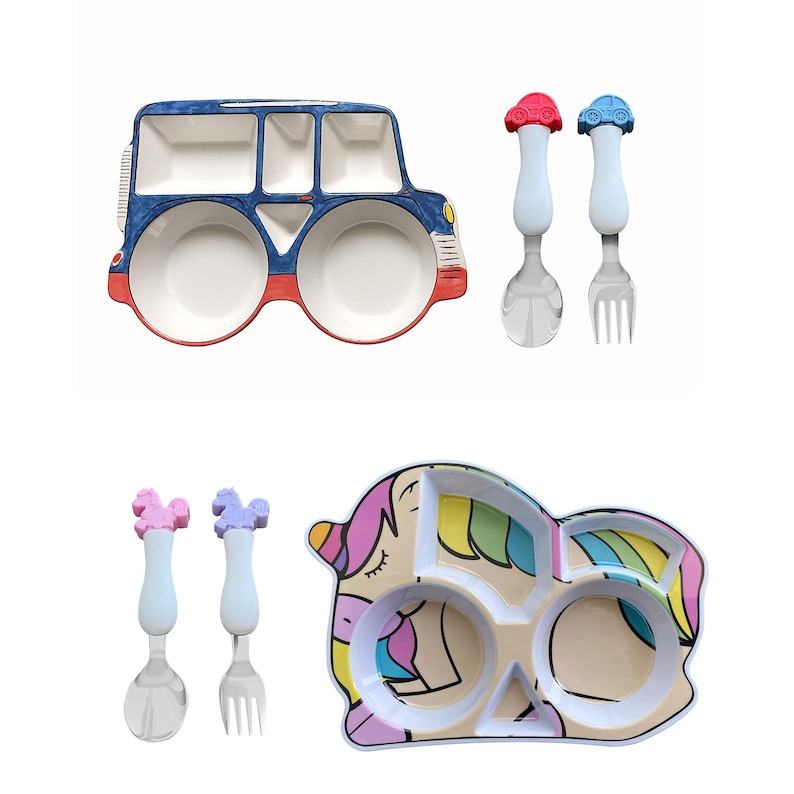
Why Children Often Refuse New Foods: Biology, Fear, and Taste Preference
Why children often refuse new foods starts with a surprisingly practical idea: unfamiliar food can feel risky to a young brain. Long before grocery stores, lunchboxes, and cute divided plates, caution around bitter or unknown tastes helped humans avoid unsafe plants. That old protective instinct still shows up when a preschooler wrinkles their nose at kale, eggplant, or anything with a strong smell.
Bitter flavors can feel especially intense for some kids. Broccoli, Brussels sprouts, grapefruit, dark greens, and certain herbs may hit their taste buds with more force than adults expect. What tastes “fresh” to a grown-up may taste sharp, grassy, or almost metallic to a child, and that first reaction can be loud. Very loud!
This is where food neophobia, the fear of unfamiliar foods, enters the picture. It often peaks during toddler and preschool years, especially around ages 2 to 6, when kids are mobile enough to grab things but not mature enough to judge what is safe. A cautious “no” may look stubborn, yet the child’s nervous system may be saying, “Hold on, this looks suspicious.”
Development matters too. Babies often accept many flavors when they start solids, then later reject foods they once swallowed happily. Parents may feel blindsided when the cheerful avocado baby grows into a cracker loyalist, but this pattern is common. The child has more awareness, more opinions, and a stronger memory for textures, smells, and visual details.
Research gives parents a helpful reality check. The Avon Longitudinal Study of Parents and Children reported that about 16 percent of children ages 3 to 5 showed picky eating, and many stayed selective through ages 4 to 9. That does not mean every selective eater needs treatment. It means plenty of families are serving lovingly prepared dinners to kids who sniff, squint, and slide the plate away.
Consider Mia, age 5, who eats toast, yogurt, pasta, and bananas without drama but panics when a raspberry appears near her cereal. The raspberry has seeds, uneven bumps, a bright smell, and unpredictable tartness. To an adult, it is fruit. To Mia, it is a sensory surprise with tiny crunchy bits hidden inside.
Some children also react strongly to inconsistency. Packaged crackers usually look and taste the same every time. Fruit changes from bite to bite. One blueberry is sweet, the next is sour, and the third has a mushy middle. For a child who likes predictability, that is not fun experimentation… it is a reason to avoid the bowl.
That does not mean parents should give up on variety. It means expectations need a softer landing. A child may need to see, smell, touch, and describe a food many times before tasting it. The first win might be allowing a cucumber slice on the plate without tears, and yes, that counts.
How Past Food Experiences Shape Picky Eating
A bad food memory can stick hard. If a child gagged on scrambled eggs, choked on a piece of meat, or felt sick after eating tomato soup, the brain may connect that food with danger. The next time it appears, the reaction can feel instant and oversized because the body remembers before the child can explain.
Adults sometimes miss these links because the event seemed small at the time. Maybe chicken felt too chewy one night. Maybe a spicy sauce surprised the child at a birthday party. Maybe a caregiver pushed “just one bite” and the child felt trapped. After that, refusal may protect the child from feeling that same discomfort again.
Pressure usually makes this pattern stickier. When dinner includes bargaining, pleading, or punishment, the child learns that new foods arrive with stress attached. A calm plate, a tiny portion, and zero performance can lower the emotional temperature. The food still sits there, but the child no longer has to defend against it.
Food Refusal and Control: What Kids Are Really Saying at Mealtime
Food refusal is not always about flavor. Sometimes it is about control, timing, fatigue, or the simple fact that a child has had adults making decisions all day. Shoes, school, bath, bedtime, car seat, homework, screen limits. Then dinner arrives, and the child discovers one powerful word: no.
That little word can feel huge to a child. Food enters the body, so it feels personal. A parent can choose what goes on the table, but the child controls whether it goes into the mouth. When adults fight that reality, meals can get tense fast. When adults respect it while still offering structure, the room feels safer.
The division of responsibility approach captures this neatly. Adults decide what food is served, when the meal happens, and where everyone eats. Children decide whether to eat and how much from what is offered. This does not mean handing over the menu to a 4 year old who wants cookies and buttered noodles every night. It means setting kind boundaries without turning each bite into a courtroom case.
Timing can make or break healthy eating efforts. A child who had a large snack at 4:37 p.m. may not feel curious at dinner. A child who is exhausted after soccer practice may lack patience for a new stew, even if it smells cozy to everyone else. Hunger helps, but extreme hunger can also backfire because kids may demand the safest option as quickly as possible.
Family dynamics matter too. Some children eat broccoli at school because friends are eating it, then reject the same vegetable at home because home feels like the place to release every big feeling. That is not manipulation in a villainous sense. It is a child using the safest audience for their strongest protest.
Take Leo, age 7, who eats turkey sandwiches at camp but refuses turkey at home. His parents felt puzzled until they noticed dinner often happened after a long commute, homework complaints, and a little sibling meltdown. The turkey was not the whole issue. The setting felt too charged, and saying no gave Leo a small piece of control when everything else felt noisy.
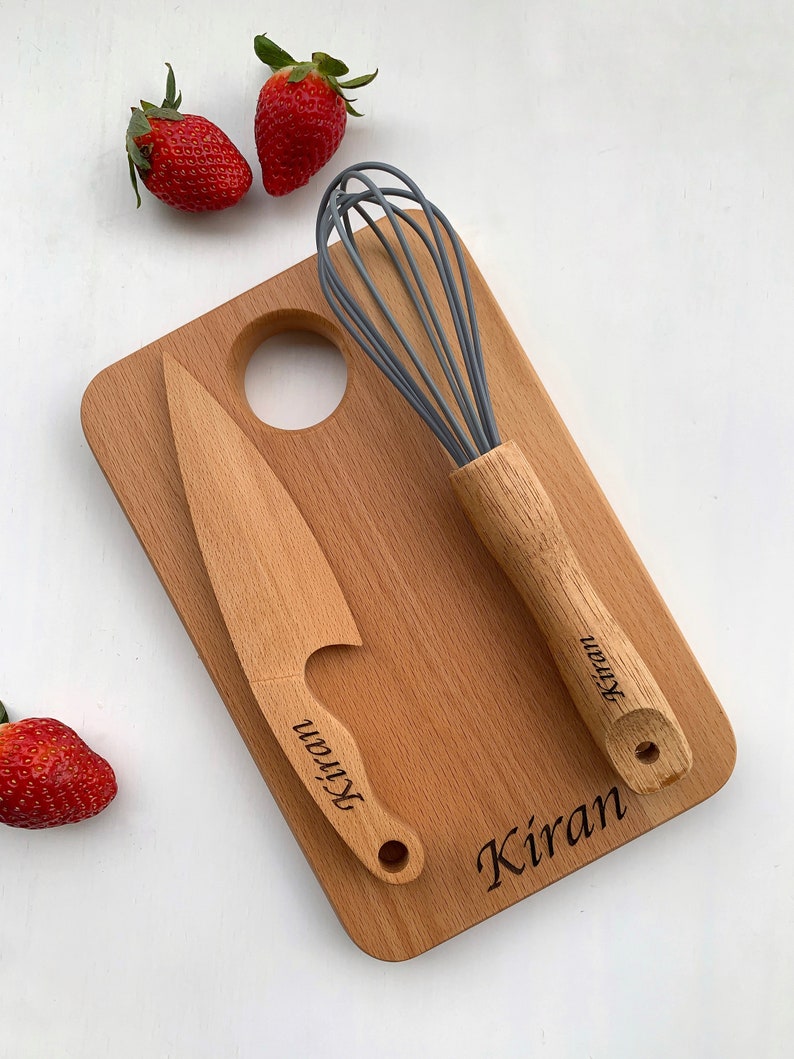
Some kids need skill support, not more convincing. Chewy meat, mixed casseroles, slippery mango, and leafy salad require different mouth movements. A child may say “I hate it” when they mean “I cannot manage this texture comfortably.” Cutting food smaller, offering a dip, serving components separately, or teaching knife skills can reduce frustration.
There are also children with stronger sensory sensitivities, including some children with autism or ADHD. Smell, sound, texture, and visual presentation may carry extra weight for them. A crunchy carrot can sound loud inside the head. A sauce with tiny herb pieces may look unsafe. A mixed bowl may feel impossible because every spoonful is different.
Red flags deserve attention. If a child loses weight, avoids entire food groups, gags often, vomits around meals, panics when food appears, or skips social events because of eating anxiety, pediatric support can help. Avoidant or restrictive patterns that affect growth, health, or daily life need more than casual parenting tips. Support from a pediatrician, dietitian, feeding therapist, or child psychologist can protect both nutrition and emotional wellbeing.
How to Respond Without Creating a Dinner Battle
A calm response sounds simple, but it takes practice when a lovingly cooked meal gets rejected in three seconds. Short phrases help: “You do not have to eat it,” “It can stay on your plate,” or “Maybe your mouth is still learning this food.” These words keep the boundary steady and remove the spotlight from the child’s reaction.
Avoid labels like “bad eater” or “dramatic.” Kids hear those phrases and may carry them into the next meal. A better frame is “learning eater,” which leaves room for growth without shame. The goal is not instant bravery. The goal is repeated safe contact with food.
Rewards can get tricky. Offering dessert for one bite may produce a bite today, but it can also teach that vegetables are the unpleasant ticket to something better. A more relaxed plan lets dessert, if served, stay neutral. The peas do not need a public relations campaign.
Behavioral Strategies That Help Children Try New Foods Gently
Useful behavioral strategies start small enough that the child can succeed. A giant scoop of lentils may trigger refusal before the fork moves. A pea sized taste, a lick, a smell, or even touching the food with a finger may feel manageable. Tiny steps are not silly. They teach the nervous system that nothing terrible happens near the unfamiliar food.
Repeated exposure matters, but it needs patience. Some children need 10, 15, or even more relaxed encounters before they taste something willingly. The repetition should feel boring in the best possible way. Carrots appear beside a safe sandwich. A sliver of roasted pepper sits near pasta. A spoonful of soup rests in a tiny bowl, with no speech about being grateful.
Pairing new items with accepted favorites can help. If a child loves pasta, a small amount of mild sauce can sit on the side for dipping. If yogurt feels safe, a few soft peach cubes can appear nearby. If toast always wins, avocado can be offered as a spread to sniff or touch before tasting. Familiar food lowers the stakes.
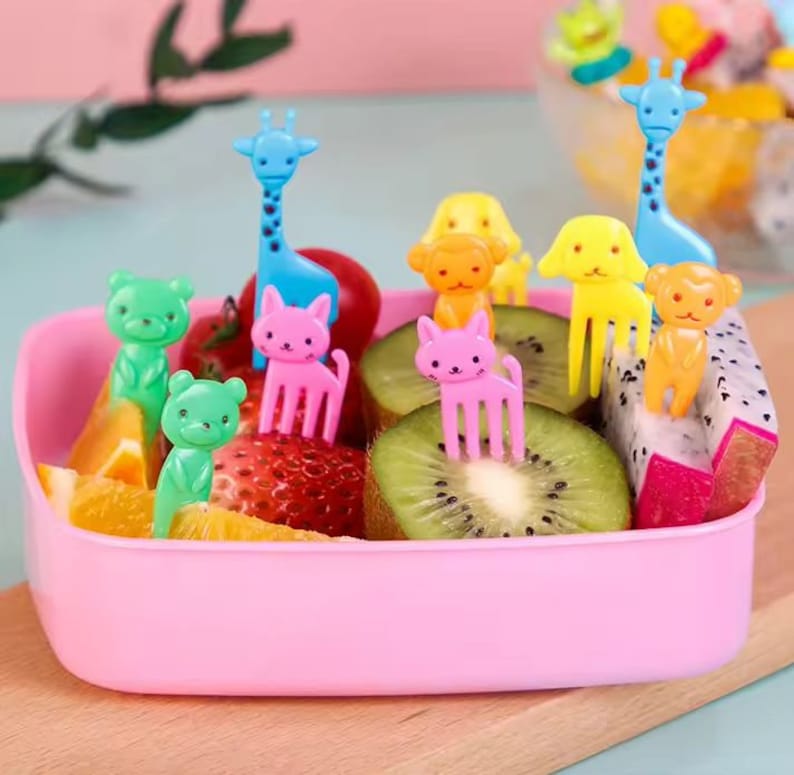
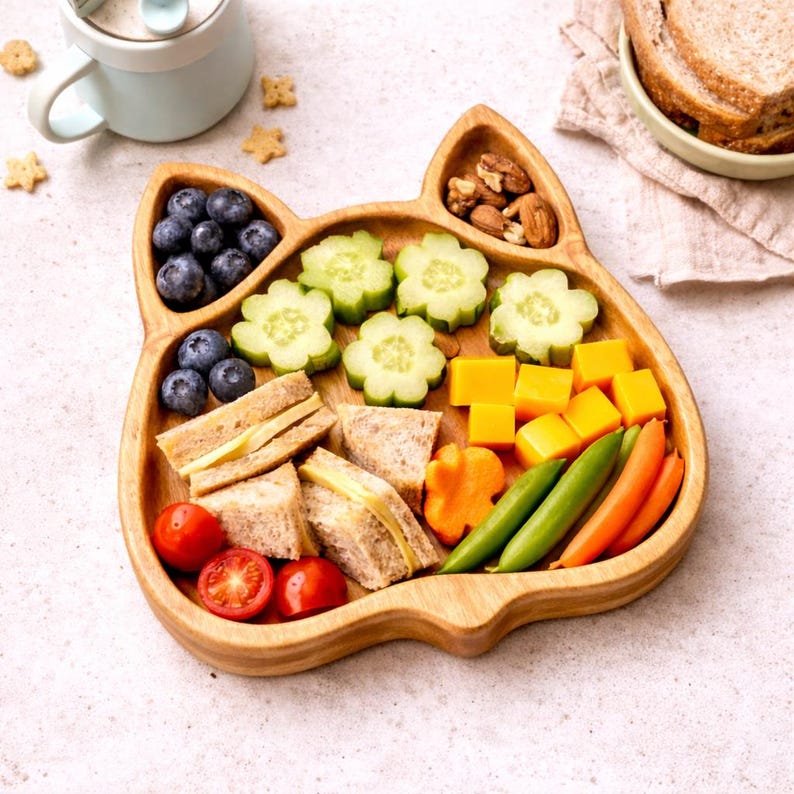
Involving kids in food choice and preparation gives them ownership without handing them total control. At the grocery store, a child can choose between zucchini and sugar snap peas. At home, they can rinse grapes, tear lettuce, stir pancake batter, sprinkle cheese, or arrange cucumber circles into a funny face. The child interacts with the food before anyone asks them to chew it.
Playful curiosity works better than a lecture on nutrition. Ask whether a bell pepper is louder when snapped or softer when roasted. Compare the smell of basil to pizza night. Let a child paint a tortilla with hummus using the back of a spoon. Food exploration can be sensory learning, not a pass or fail test.
Modeling matters, but it should look natural. Adults can eat a variety of foods without narrating every bite or staring at the child for approval. “This pear is juicy” feels friendlier than “See, everyone else likes pears, why won’t you?” Children notice what grown-ups do, especially when no one makes it a performance.
Family style serving can also reduce pressure. Bowls on the table let a child see different colors and textures while choosing what lands on the plate. One safe food should appear at most meals, such as rice, bread, fruit, plain chicken, or yogurt, depending on the child. That safe item helps the child sit at the table without panic.
Progress deserves quiet recognition. If a child smells salmon after months of refusing it, that is information for the brain. If they let sauce touch the edge of a noodle, that is practice. If they spit something politely into a napkin, that still teaches body awareness and trust. “Thanks for checking it out” keeps the tone warm.
Parents can use a gentle script when refusal happens: “That food is still new for you. You can leave it there.” Then move on to ordinary conversation about the playground, a silly class moment, or bedtime plans. The less attention the refusal gets, the less power it holds.
Patience is the unglamorous hero here. A child who eats beige foods today may slowly add yellow peppers, sweet corn, mango, roasted potato, then maybe a mild curry sauce months later. Not in a perfect line. Not on command. But with calm exposure, practical support, and meals that feel safe, many kids expand their range one small bite, sniff, or curious poke at a time. What low pressure food experiment could fit your table this week?