At home and on the playground, kids test ideas about who they are through clothes, play, and the stories they tell. Parents see it in tiny moments, like a preschooler pairing sparkly rain boots with a soccer jersey. These choices are not random; they are experiments in identity.
Labels like tomboy, princess, or tough guy can stick fast. Some stick for years and shape confidence more than anyone expects. When adults respond with curiosity instead of correction, children learn a powerful lesson about personal agency.
Fashion, toys, and media can either limit or liberate. The best news is that families do not need a perfect script to support freedom of expression. They only need a rhythm that welcomes difference and gives kids language for choice.
As culture shifts in schools, sports, and media, brands and community spaces are catching up. Inclusive designs, thoughtful campaigns, and playful learning hubs make it easier to raise children who feel seen. The goal is simple and big at once… a childhood where authenticity feels normal.
Breaking Away from Gender Roles at Home: Encouraging True Self Expression through Daily Routines
Home is the first stage where children rehearse identity, so routines matter. When chores, play, and getting dressed are assigned without stereotypes, kids absorb that tasks and talents are human, not gendered. That foundational belief travels with them to daycare, classrooms, and team practices.
A simple wardrobe station can be a tiny revolution. Offer shelves labeled by activity instead of gender, like school comfy, messy art, cozy reading, and sunny day outside. This shifts decisions from what boys or girls wear to what fits the plan of the day.
Bath time can carry big messages about body respect. Campaigns from Dove have long championed self esteem, and the language families borrow here matters. Try phrases such as Your body is strong and kind or Skin needs care after a day of play, right ? Kids hear care, not critique.
Snack time and homework are openings for balanced modeling. If the adult who usually cooks asks the child to pick the music while the other adult chops veggies, everyone sees flexibility. Swap roles again next week, and name it out loud so children notice the mix.
Play corners are where personality shines. Group toys by theme, not by pink or blue, like building, caring for others, pretend store, and science lab. When a child puts a dinosaur in a tea party, applaud the imagination that bridges worlds.
Clothing brands can help normalize variety. Everyday basics from Aerie focus on comfort and real bodies, and athletic staples from Nike serve any kid who likes to sprint to the slide. For underlayers, period gear from Thinx demystifies puberty and supports older kids who want movement without worry.
For families exploring broader expressions, inclusive labels like TomboyX and Wildfang offer silhouettes that mix sharp tailoring with softness. Community hubs like The Phluid Project curate pieces that celebrate fluid style and curiosity. Even menswear fits from Bonobos can become a favorite for tweens who love crisp shirts with playful sneakers.
Hair and skincare are part of the conversation. Gentle routines framed as self care, not beauty rules, leave space for experimentation. If an older sibling wants to try “Makeup for Men” tutorials for a school play, treat it like face paint for a performance and a skill to learn together.
Parents who want inspiration at home can try creative projects that spotlight individuality. Ideas like family story prompts and dress up trunk reinventions are easy to set up at kitchen tables. For fresh at home ideas, explore fun and educational activities for kids at home and notice how open ended play invites voice.
Moments add up. When children hear You can choose what feels good for your body and your day, they learn to trust their inner compass. That trust is the quiet engine of self expression.
Before moving into clothing choices and style confidence, it helps to remember that every routine sends a message. Small shifts at home make the bigger leaps outside feel natural and safe.
Kids Clothes and Play Without Boxes: Style Confidence for True Self Expression
Clothing is language kids speak fluently, long before long sentences. Offering textures, colors, and shapes across the spectrum creates a vocabulary for mood and movement. A twirly skirt can be perfect for a child who loves to sprint if it is paired with leggings and sturdy sneakers.
Parents often ask how to start. Create three outfit paths on school mornings called Move, Learn, and Shine. Move means stretchy and breathable, Learn means layers for focus, and Shine means a pop of pattern that says I feel bold today.
Inclusive brands make the hunt easier. Soft bras and basics from TomboyX blur old boundaries, while Wildfang turns suiting into play clothes with colorful tees and loafers. Community driven spaces like The Phluid Project curate pieces that celebrate every kid who wants to mix patterns and silhouettes.
Footwear and sport layers are key to confidence. Nike remains a go to for kids who move hard at recess, with cuts that fit many bodies. For tops and leggings that feel supportive without fuss, Aerie makes soft, kid friendly basics that layer well under uniforms and jerseys.
Older kids may ask for cosmetics exploration. Inclusive lines like Fluide keep play fun with glitter gels and balms that wash off easily. Short video tutorials labeled “Makeup for Men” or for anyone can turn bathroom counters into mini theaters where kids practice creativity safely.
Expect changes as trends shift with media and school culture. To stay inspired, browse the rise of gender neutral fashion for kids and ways to encourage creativity in kids fashion. These guides show how patterns from cartoons and streetwear blend into everyday outfits.
Curious about the pop culture link? See how shows and digital creators shape kid choices through influencer trends shaping kids fashion and kids fashion trends inspired by popular culture. Kids do not copy blindly; they remix.
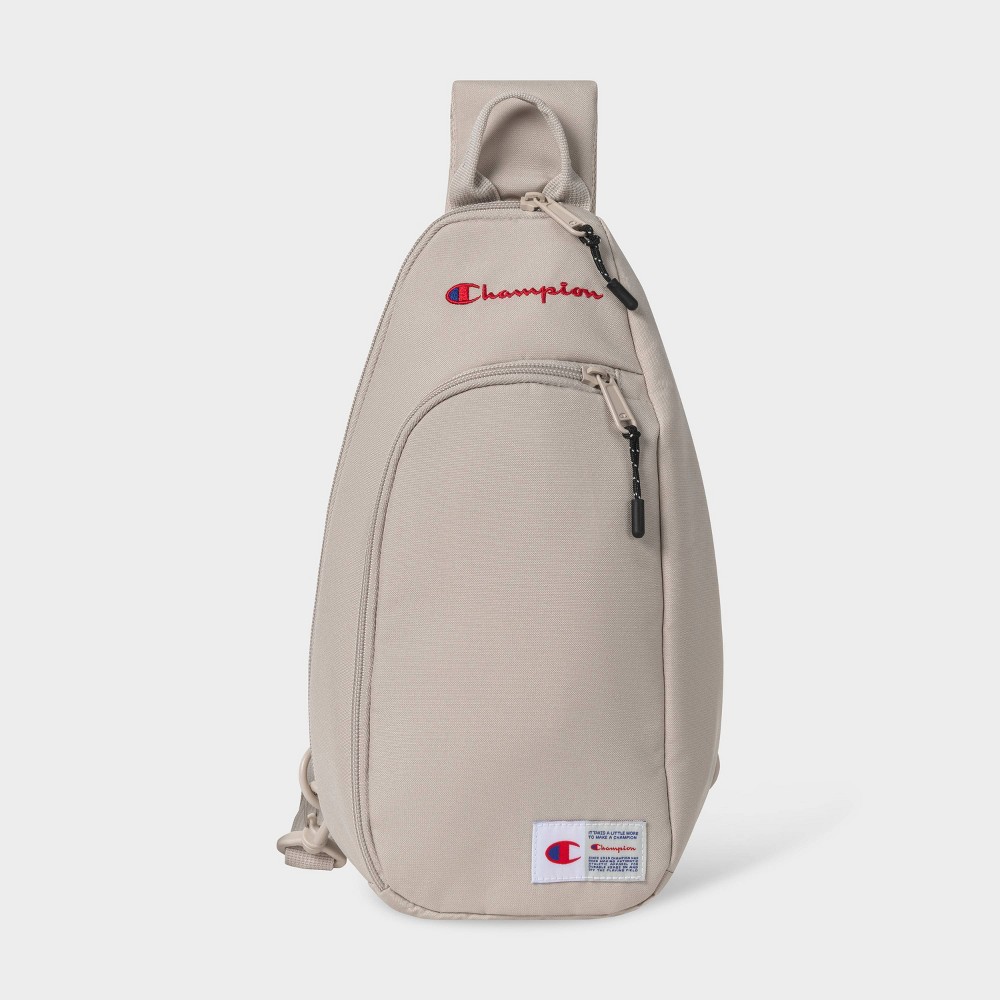
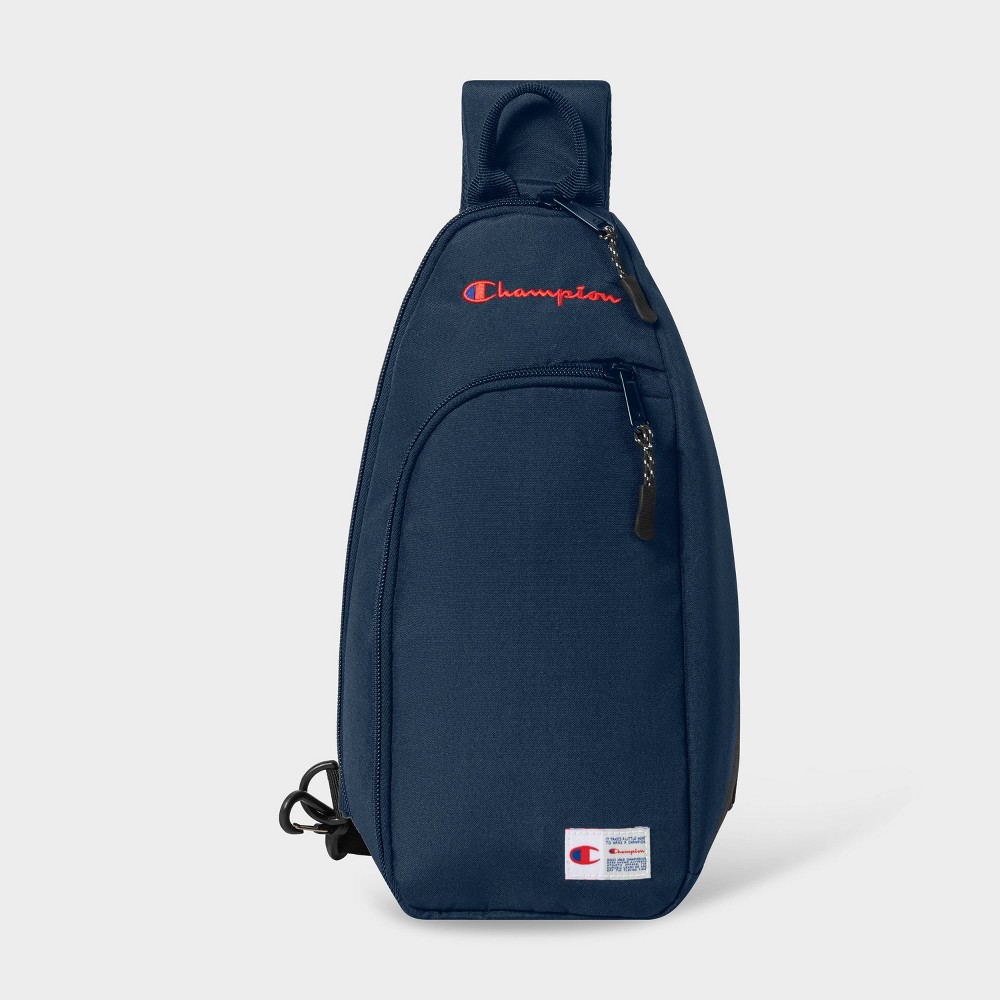
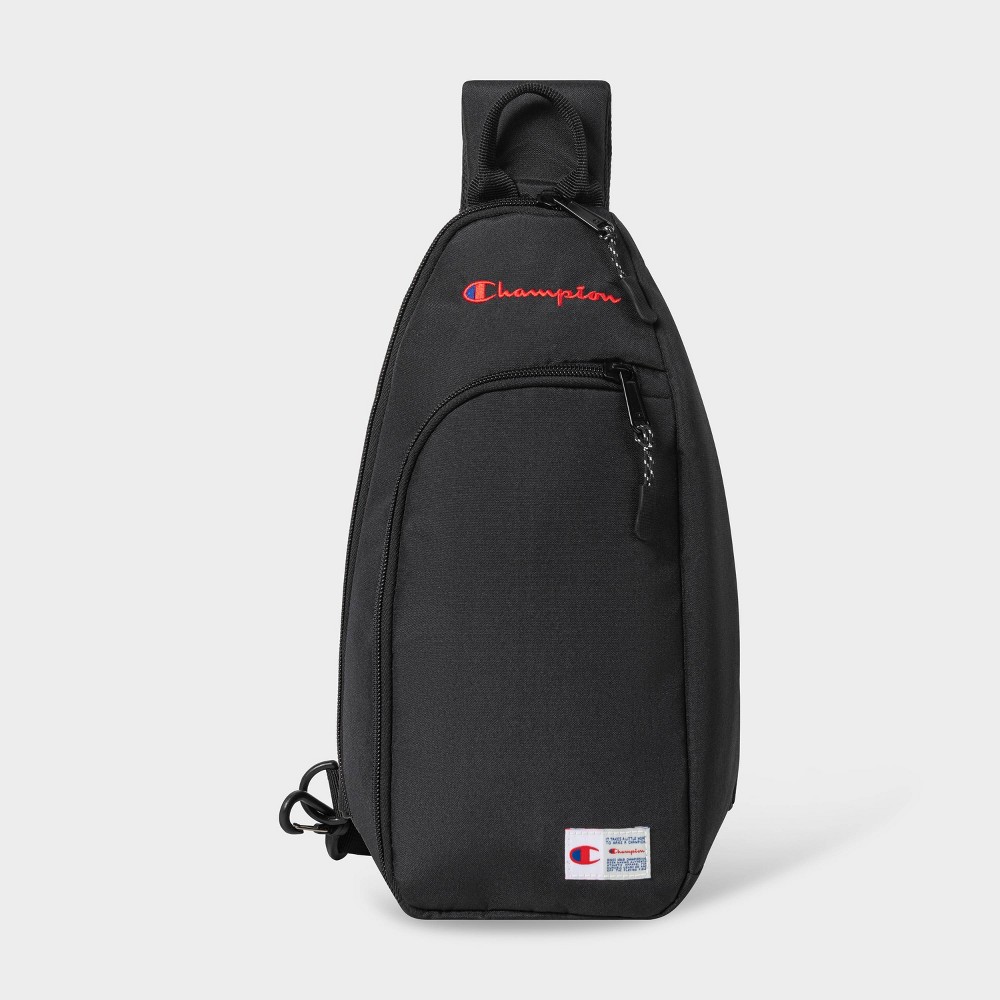
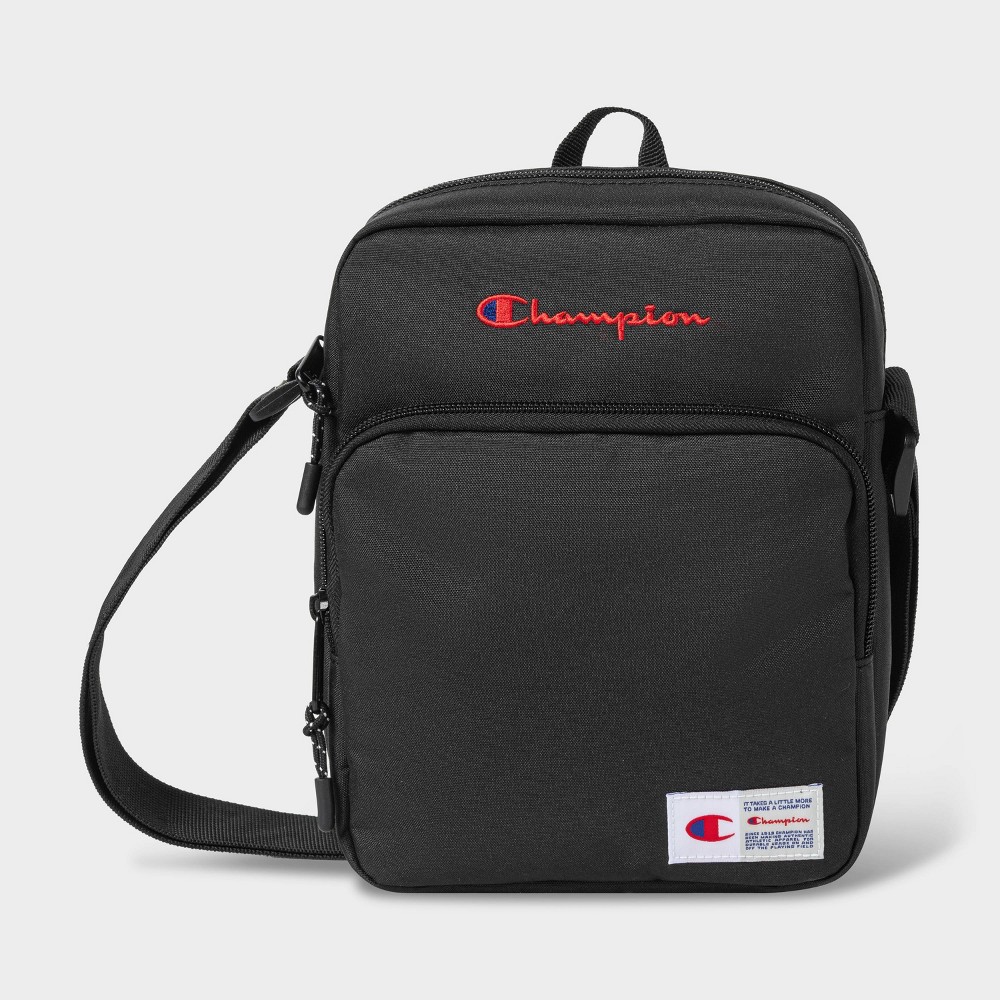
Accessories can reduce friction. A lightweight bag like the one in cool kids only sac keeps favorite items handy, from sketchbooks to fidgets. When children feel prepared, they feel brave enough to choose outfits that match their mood.
Celebrate comfort as much as sparkle. A child who prefers soft cotton joggers can still love color and print on socks or a hat. Joy shows up in the details, and those details say I know myself today.
Parents can name this aloud with encouragement. Try “Your style tells your story” and watch posture lift. That is a little magic in motion.
As wardrobes open up, the rest of a child’s world benefits. That is why Breaking Away from Gender Roles: Encouraging True Self-Expression begins with closets and continues into classrooms and teams.
School, Sports, and Social Spaces Without Stereotypes
Classrooms and gyms set the social tone for many kids, so inclusive habits here matter. Teachers who use phrases like friends and readers instead of boys and girls reduce peer policing. That tiny language swap makes room for quiet kids and bold ones to try on new roles without side eye.
Uniform policies can be rewritten with comfort and equity in mind. If shorts, pants, skirts, and jumpers are all allowed for all students, kids can dress for weather and movement. Add layers like breathable tees and leggings from brands such as Aerie and active footwear from Nike to help every child run, climb, and focus.
Sports programs thrive when they center access. Offer open skill clinics where kids can try soccer, dance, or robotics without commitment first. When signups appear, kids choose what lit them up rather than what matched a stereotype.
Locker room culture shifts with clear norms. Coaches can post values like Respect bodies, respect privacy, respect effort. Simple, repeated scripts define safety better than posters that never get discussed.
School projects offer big chances for voice. If a biography assignment allows athletes, scientists, fashion designers, and poets, students see many paths to hero status. Mini exhibitions where kids present in outfits that reflect their subject turn learning into theater that invites expression.
Community spaces help too. A creative hub such as Kids Cafe provides low pressure workshops where children mix art and storytelling. After a Saturday session, a shy child often brings a louder idea to Monday’s class share.
After school moments carry momentum. Families can pull from athleisure trends for kids to find stretchy pieces that work from homework to trampoline. When clothes flex, kids focus on friendship and play, not on tugging waistbands.
Digital citizenship belongs in this conversation. Students learn to pause before they comment on a peer’s outfit or hairstyle online. A simple rule If it is not kind, helpful, or necessary, skip it limits harm while keeping space for authentic sharing.
“We call it a parenting win” when a kid volunteers to try something outside their usual lane. The real celebration is not a trophy but the spark in their eyes that says I belonged out there. That spark deserves to be protected and fed every week.
Next up is the media swirl that surrounds kids. When families decode ads and shows together, style and body image pressures shrink to size and kids get to lead the conversation.
Media, Beauty, and Body Image Led by Kids, Not Stereotypes
Media is loud, fast, and sticky for young minds, which means families benefit from co viewing habits. When a music video or cartoon shows a narrow look, pause and ask What do you notice about the clothes and bodies here? That gentle question turns ads into a game of spot the message.
Beauty talk belongs to everyone. Campaigns from Dove continue to highlight real skin and hair, and those images go a long way. Kids who hear Skin is not a costume find it easier to shrug off comments about freckles, stretch marks, or curls.
Cosmetics are tools, not rules. Inclusive brands like Fluide and tutorials labeled “Makeup for Men” make it clear that pigments are a playground. For kids in theater or cosplay, makeup becomes craft and character rather than a mandate to look a certain way.
Adolescence brings body changes that need practical support. Leak proof layers from Thinx normalize periods as a fact of life for athletes and artists alike. When the right gear is in the drawer, teens can choose sports, plays, and field trips without fear.
Clothes that photograph well are not the measure of worth. A jersey and a shimmer scarf can both be perfect if they match the day’s adventures. Families can try a rotating photo practice where kids pick an outfit, snap a picture, and tell a one sentence story about why it felt good.
Media literacy grows with playful resources. To examine how characters influence style, explore the influence of cartoons on kids fashion. Then pair the insights with a weekend challenge to design a character whose look breaks the usual mold.
Expecting parents can even start early with joyful body art. A creative trend like belly painting reframes pregnancy as a canvas for family storytelling. Siblings who help pick colors learn that bodies are sites of celebration, not critique.
Family media nights become rituals of agency. Choose shows that center kindness and invention, then talk about the costumes and props kids loved most. The message lands slowly but surely You are the author of your look and your voice.
For more inspiration, peek at fashion forward kids trends and notice how comfort, color, and movement take priority. Those are the building blocks of confident play.
When kids help decode media, stereotypes lose their spell. That clarity prepares them to meet community spaces and policies with fresh confidence and a ready voice.
Community, Policy, and Momentum for Gender Freedom
Neighborhoods, shops, and civic spaces can amplify what begins at home. Community events hosted by inclusive retailers and libraries send a clear signal Welcome as you are. Pop up fashion labs where kids customize hats and tees make it easy to test new looks with friends cheering nearby.
Retailers with advocacy roots build culture quickly. The Phluid Project hosts workshops that treat style as language, not rulebook. Wildfang funds community causes while showcasing tailoring that kids can mirror in their own playful ways.
Underlayers and basics matter for confidence too. TomboyX offers comfortable sets that work for every kid who wants simple lines without extra frills. Menswear inspired fits from Bonobos can be styled with bright socks or patches to feel perfectly kid ready.
School boards and youth leagues can back families with inclusive policies. Dress codes that focus on safety and learning, not gender, reduce conflict and expand choice. Sports signups that welcome kids to try any team based on interest, not expectation, build stronger programs.
Local businesses can set the tone with window displays that show variety. A mannequin in a twirly skirt and high tops next to another in a varsity jacket and floral scarf tells a simple story Freedom of mix equals freedom of self. Kids read those windows faster than adults do.
City calendars can feature style swap days and craft drives. When kids donate a favorite jacket to a peer and pick a new to them piece, they learn generosity and invention in one joyful loop. That kind of event pairs well with creative hubs like Kids Cafe where customization tables buzz with ideas.
As trends ripple globally, parents can stay curious with roundups like emerging fashion brands for kids and the impact of global fashion on kids trends. Those pieces show how cultural exchanges widen the palette of what feels possible.
It helps to look ahead too. Explore future fashion predictions for kids and see which fabrics, cuts, and colors will support play and voice next season. Trends are tools, not bosses, and kids are excellent editors.
Families can also host community chats with librarians, coaches, and shop owners. Start with questions like How do we make choices easy for every kid and What small change can we try next month? The answers usually include simple fixes that outsize their effort.
Most importantly, keep the heart of this work clear. Breaking Away from Gender Roles: Encouraging True Self-Expression is not just a fashion goal; it is a promise that every child can grow into a self they recognize and love. That promise is worth renewing week after week… Ready to ask what your kid wants to try next, really!?